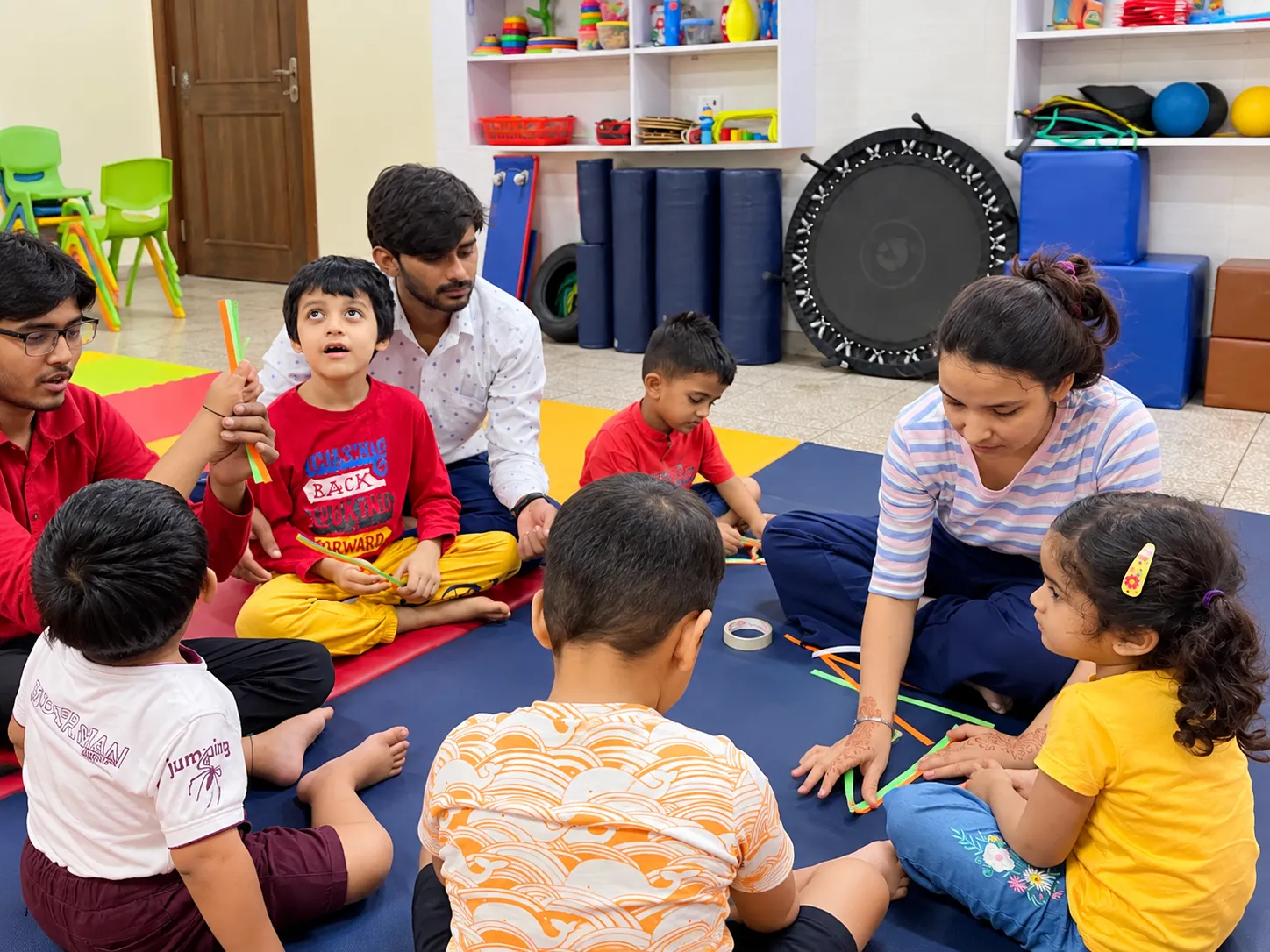
Helping children communicate, understand and connect with confidence
Speech and language therapy helps children develop the skills they need to understand language, express themselves, speak clearly, communicate their needs and participate in everyday interactions.
At OTCloud Therapy Center, our speech and language therapy is individualized to each child's communication needs, developmental level, strengths and everyday goals.
What Is Speech & Language Therapy?
Speech and language therapy helps children develop the skills needed to communicate and interact with others.
Communication is more than speaking. It can include understanding what others say, using words and sentences, answering questions, expressing needs, having conversations, using gestures and participating socially.
A speech-language therapist looks at the different parts of communication and identifies the skills that can be supported through individualized therapy.
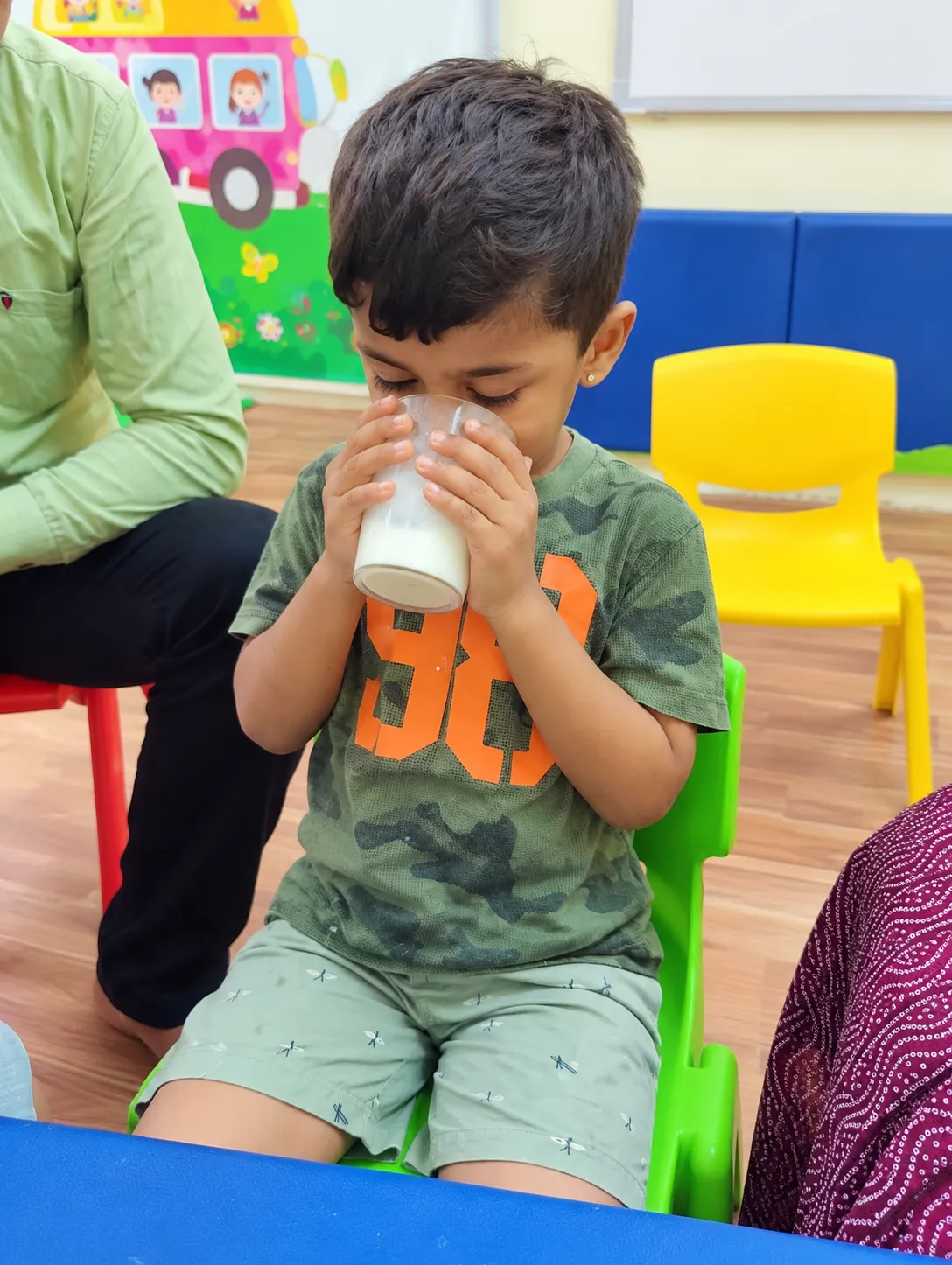
For a child, this may include:
Understanding
Following instructions and understanding words, questions and concepts.
Expressing
Using sounds, words, sentences or other ways to communicate thoughts and needs.
Speaking Clearly
Improving speech sound production and intelligibility.
Social Communication
Taking turns, starting interactions, responding and maintaining conversations.
Who Can Benefit From Speech & Language Therapy?
A child may benefit from speech and language therapy when communication difficulties are affecting everyday interactions at home, school or in social situations.
Parents may notice
Speech
- Speech is difficult for others to understand
- Difficulty producing certain sounds
Language
- Fewer words than expected for their age
- Difficulty combining words into sentences
- Difficulty expressing wants, needs or ideas
Understanding
- Difficulty following instructions
- Difficulty answering questions
- Difficulty understanding age-appropriate conversations
Social Communication
- Difficulty starting or maintaining conversations
- Difficulty taking turns while communicating
- Difficulty communicating with peers
- Limited use of gestures or other communication methods
Every child communicates differently. The important question is whether they can understand, express and participate in everyday communication.
Conditions We Support
Speech and language therapy may support children with a range of developmental, communication and neurological needs.
Autism Spectrum Disorder
Supporting communication, language development and social interaction.
Learn More →Developmental Language Delay
Supporting understanding and use of age-appropriate language.
Learn More →Speech Sound Difficulties
Helping children develop clearer speech and sound production.
Learn More →Childhood Apraxia of Speech
Supporting speech planning and production through individualized intervention.
Learn More →Stammering / Fluency Difficulties
Supporting more comfortable and effective communication.
Learn More →ADHD
Supporting language organization, communication and social participation where needed.
Learn More →Developmental Delay
Supporting communication skills as part of overall developmental progress.
Learn More →Neurological Conditions
Supporting communication and language needs associated with neurological conditions.
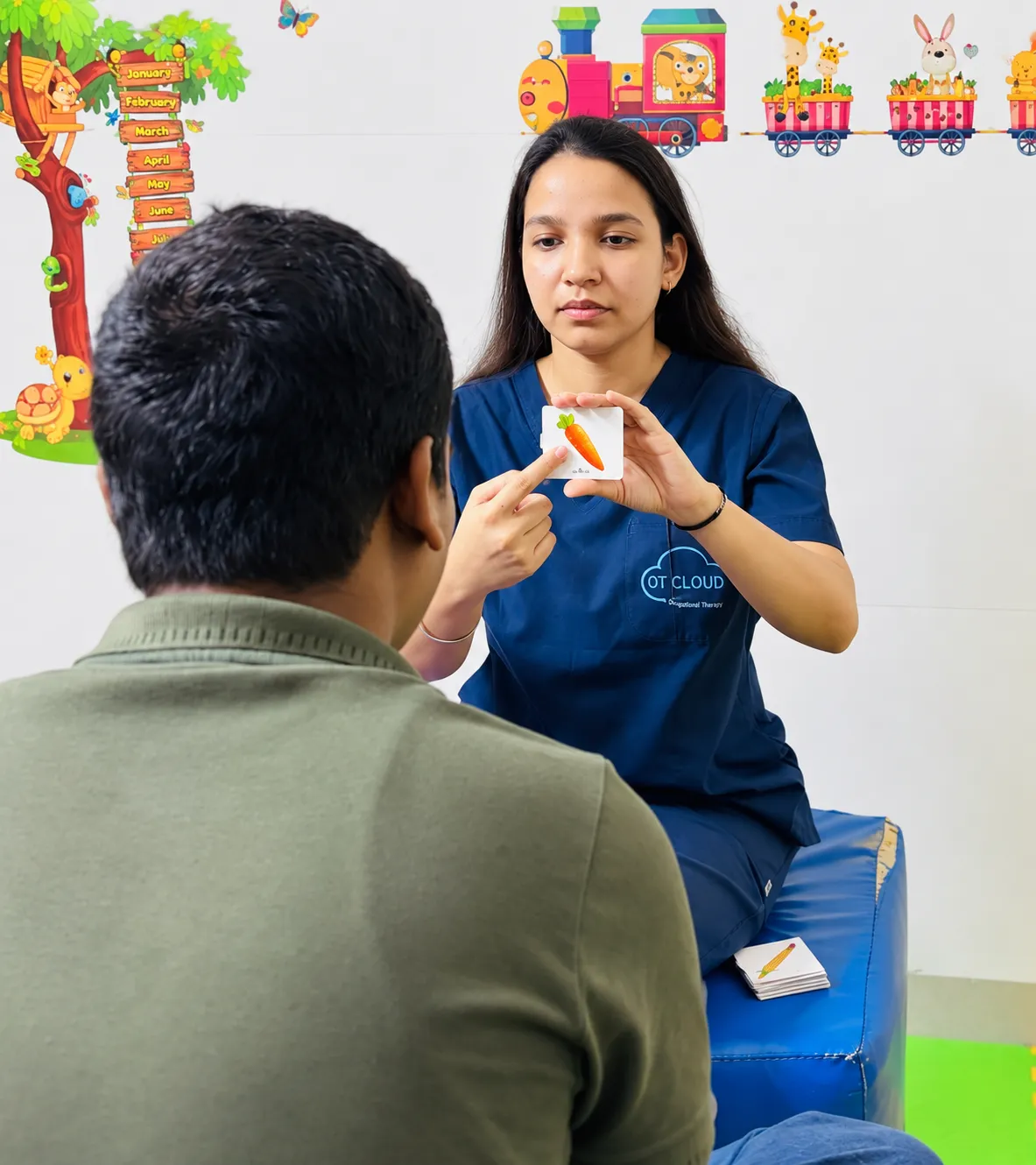
Learn More →Gallery of Speech & Language Therapy
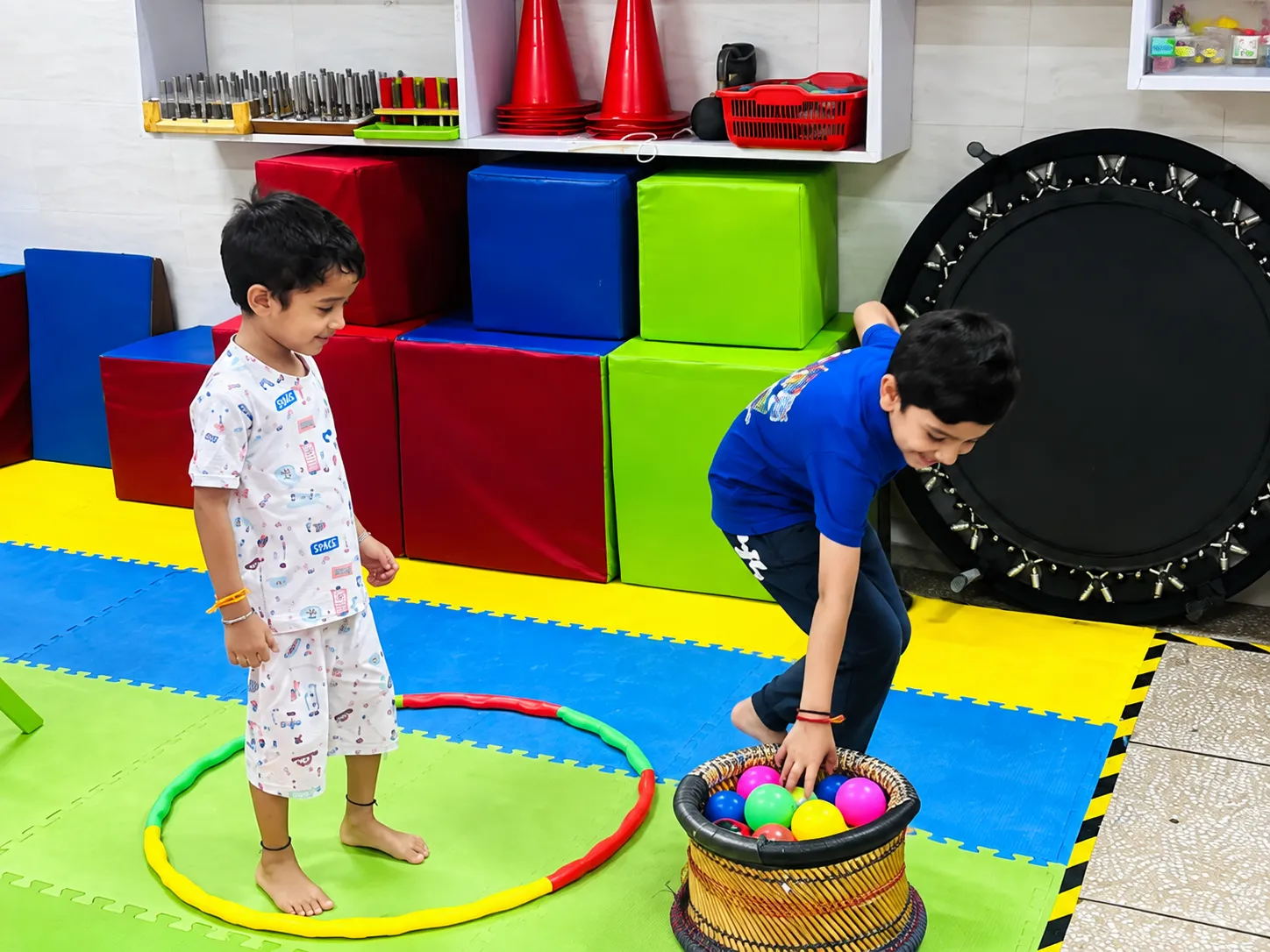
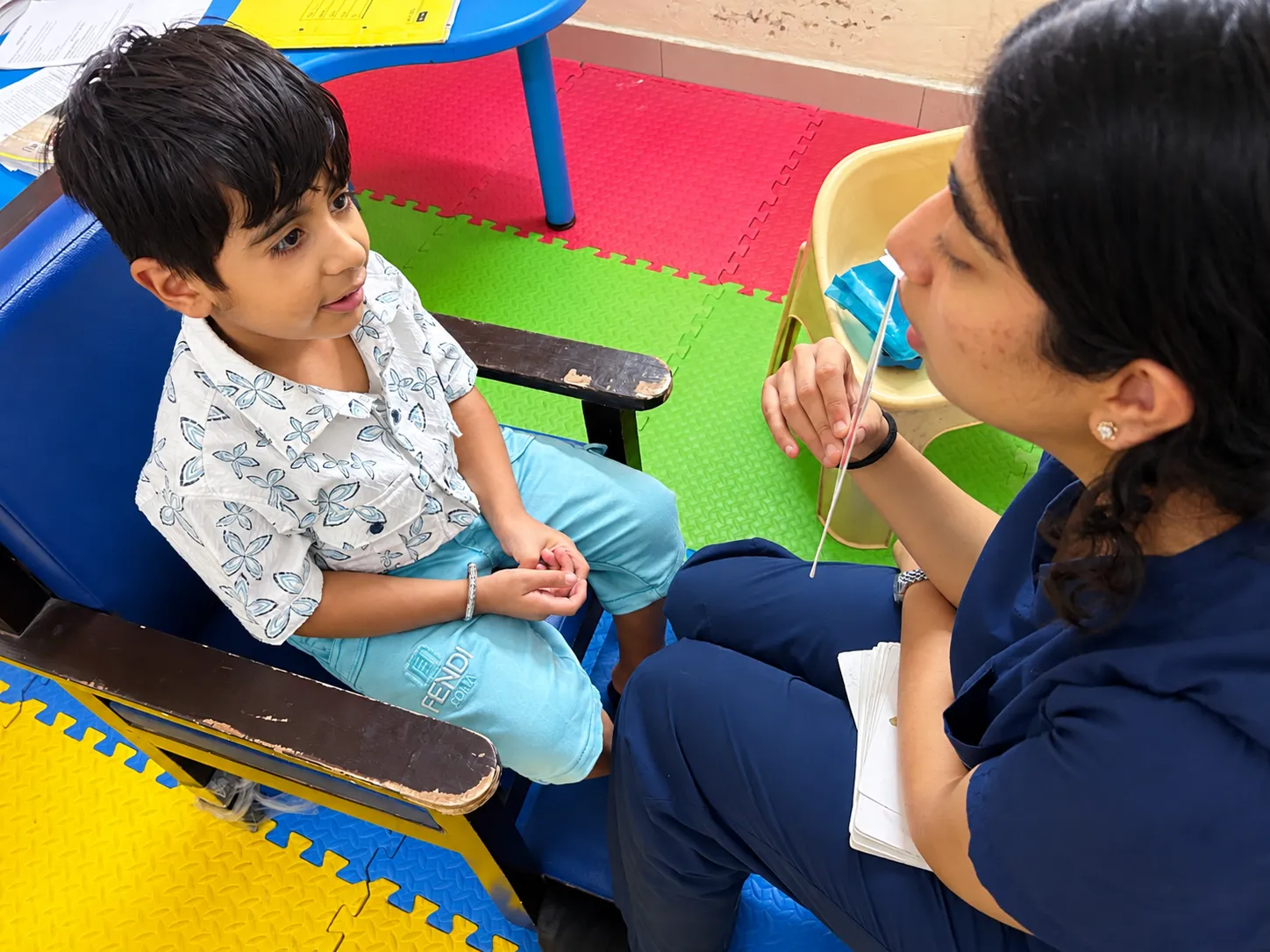
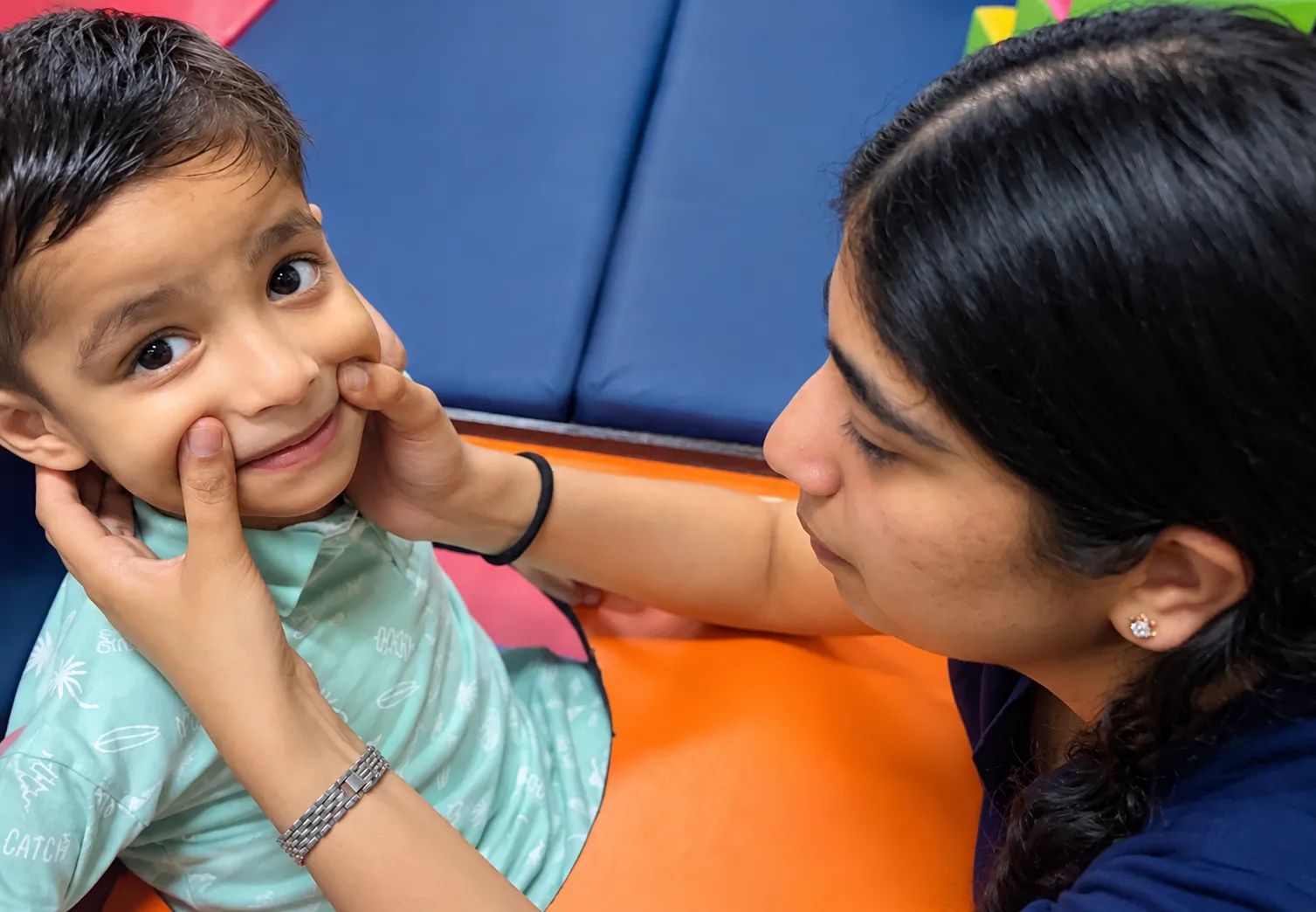
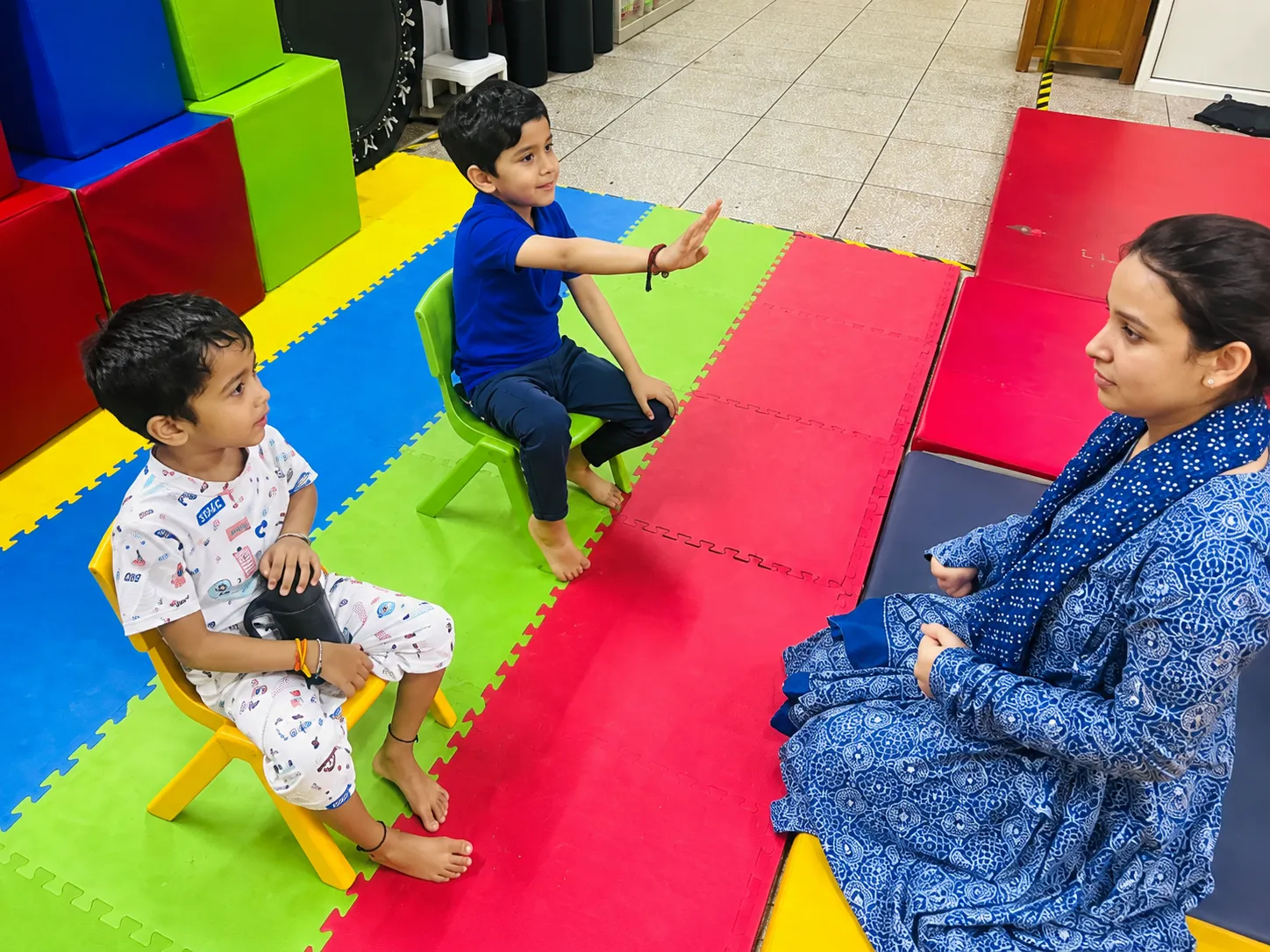
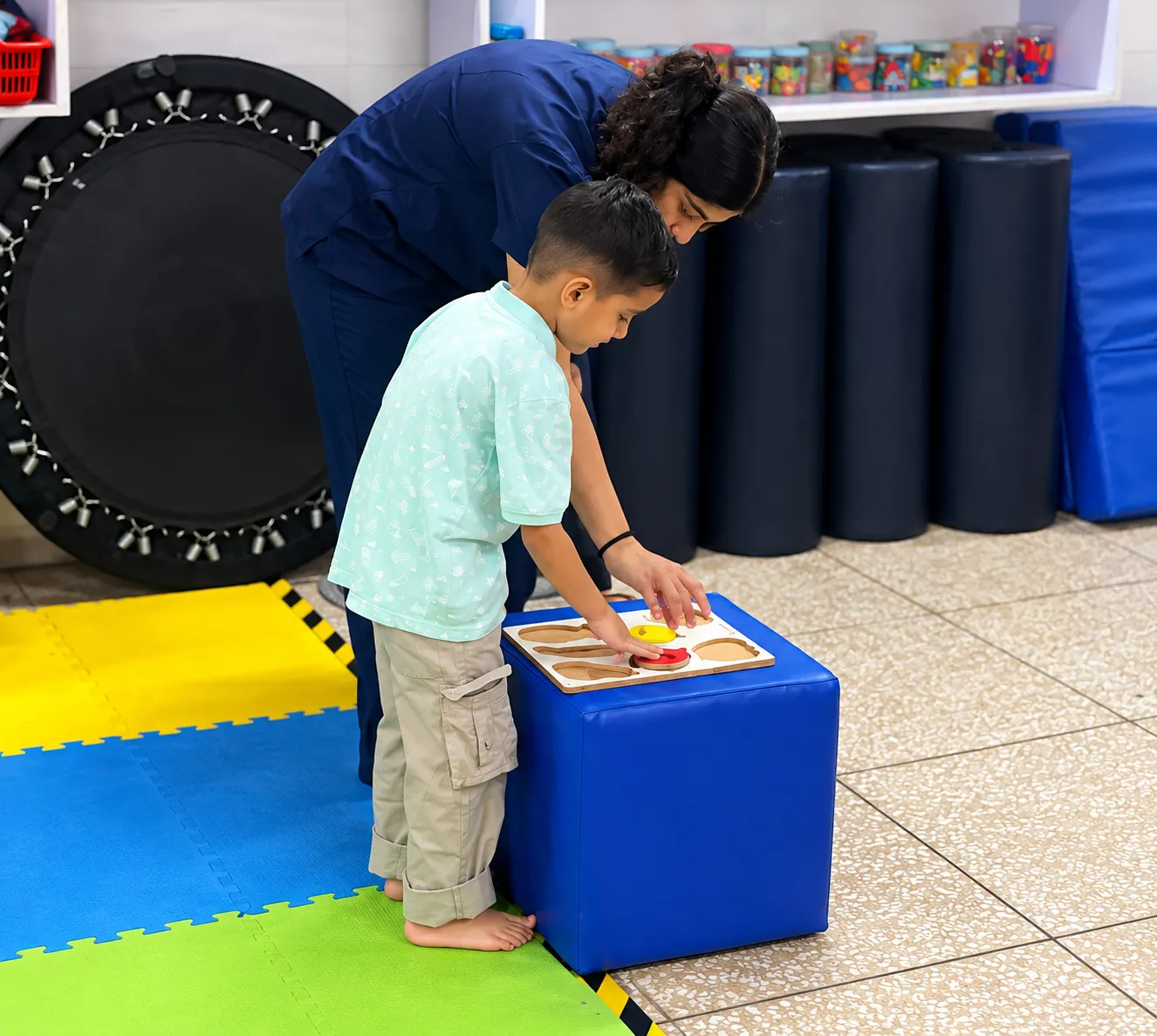
See how communication skills are developed through meaningful, engaging activities.
Frequently Asked Questions
What is speech and language therapy for children?
Speech and language therapy helps children develop the skills needed to understand language, express themselves, speak clearly and take part in everyday interactions at home, at school and with other children.
When should I consider speech therapy for my child?
Consider an assessment when your child is not meeting communication milestones, is difficult for others to understand, becomes frustrated trying to communicate, uses fewer words than children of a similar age, or when a teacher or doctor has raised a concern. Earlier support is usually shorter and more play-based.
What is the difference between speech and language?
Speech is how sounds and words are produced — clarity, articulation and fluency. Language is what a child understands and how they put words together to share meaning. A child may have strong language but unclear speech, or clear speech with limited language.
How do I know if my child's speech is delayed?
Professionals look at the whole picture: how much your child understands, how they express themselves, how clearly they speak, whether they use gestures, and whether new skills keep appearing. Fewer than around 20 words by 18 months, no two-word phrases by around two years, or speech that unfamiliar adults cannot understand after age three are all reasons to seek guidance.
My child understands everything but does not speak much. Can speech therapy help?
Yes. Strong understanding alongside limited spoken language is a common profile. Therapy builds expressive language through play, modelling, gestures, choices and structured opportunities to communicate, while checking that understanding is as strong as it appears.
Can speech therapy help a child with autism?
Yes. For autistic children, therapy may address functional communication, understanding, expressive language, social communication and play, including supportive communication methods such as gestures, pictures or devices where these help.
Can speech therapy help with pronunciation?
Yes. A therapist assesses which sounds are affected and why, then works on producing those sounds, hearing the difference between them, and using them in words, sentences and everyday conversation.
What is receptive language?
Receptive language is what a child understands — following instructions, understanding questions, vocabulary, concepts and spoken information. It usually develops ahead of expressive language.
What is expressive language?
Expressive language is how a child shares meaning — using sounds, words, sentences, gestures or other communication methods to express needs, ideas and experiences.
Can speech therapy help my child understand instructions?
Yes. Therapy can build the underlying skills — attention and listening, vocabulary, concepts and processing longer instructions — and give parents and teachers practical strategies such as simplifying language, pausing and pairing words with gestures or visuals.
Can speech therapy help with social communication?
Yes. Support may include starting and maintaining interactions, taking turns, staying on topic, repairing misunderstandings, understanding non-verbal cues and adapting communication to different situations.
What happens during a speech and language assessment?
The therapist discusses your concerns and developmental history, observes your child in play and structured tasks, and assesses understanding, expression, speech clarity and social communication. Hearing is considered as part of the picture. You receive the findings in plain language with clear recommendations.
How long does speech therapy take?
It varies. Duration depends on your child's profile, the goals agreed with the family, how consistently strategies are used at home and how your child responds. Progress is reviewed at set intervals rather than assumed.
Does my child need a diagnosis to receive speech therapy?
No. Therapy can be considered whenever communication difficulties are affecting everyday participation, with or without a formal diagnosis.
Can speech therapy help a child who is not talking?
Yes. For children who are not yet talking, therapy focuses on the foundations of communication — attention, interaction, imitation, play, gestures and understanding — and establishes a functional way to communicate, which may include gestures, pictures or a device alongside spoken language.
Concerned About Your Child's Communication?
Understanding your child's communication profile can help identify the right support and next steps.
Speech · Language · Communication · Understanding