
Child Psychology
Understanding your child's emotions, behaviour and everyday experiences.
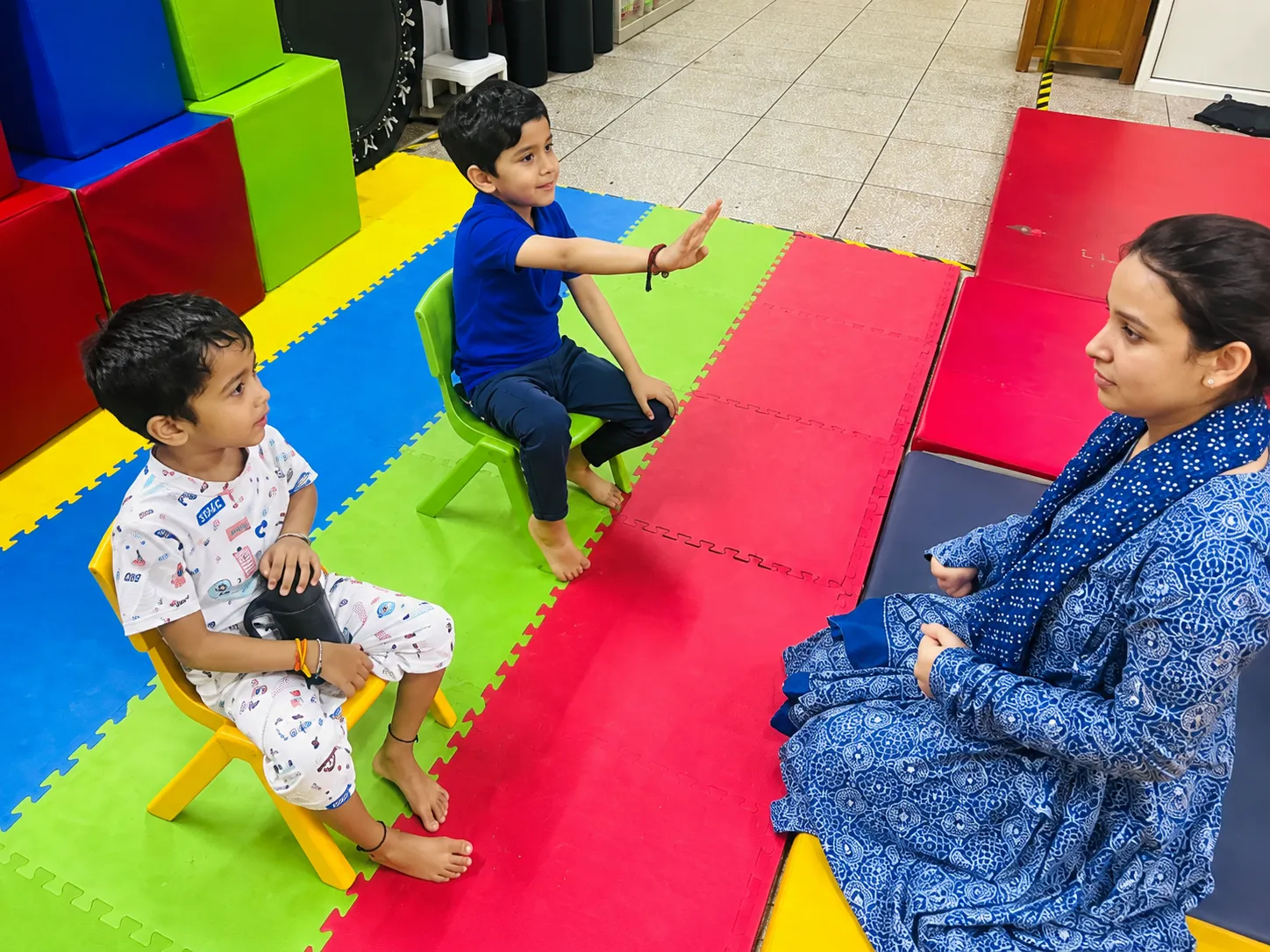
Child Psychology focuses on understanding how children think, feel, behave and respond to everyday situations. At OTCloud Therapy Center, psychological support is tailored to the child’s age, developmental needs and individual concerns.
What Does Child Psychology Help With?
Child Psychology looks at a child's emotional, behavioural, social and cognitive development and how these areas may affect home, school and relationships.
Support can help children understand their emotions, develop appropriate ways to respond to situations and build skills for managing everyday challenges.
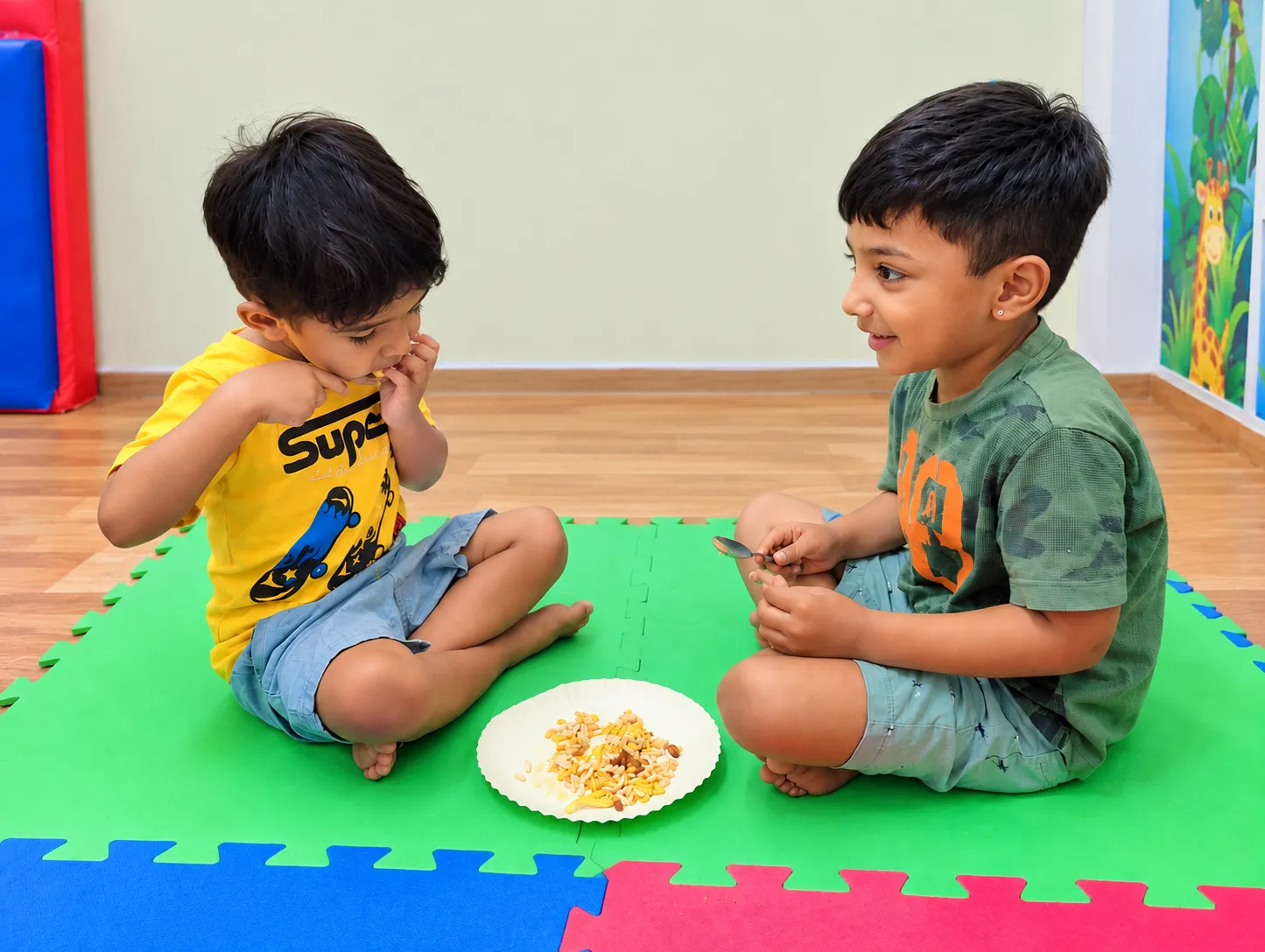
Emotional Development
Recognising, expressing and managing emotions.
Behavioural Skills
Understanding behaviour and developing appropriate responses.
Social Skills
Building interaction, communication and relationships with others.
Coping Skills
Learning practical ways to manage frustration, change and challenging situations.
When Your Child's Behaviour or Emotions Need Extra Support
Parents may consider a child psychology consultation when they notice:
Frequent Emotional Outbursts
Strong emotional reactions that are difficult to manage.
Anxiety or Excessive Worry
Persistent worries, fears or difficulty adjusting to situations.
Attention & Impulse Control
Difficulty maintaining attention or managing impulsive responses.
Social Difficulties
Challenges with friendships, interaction or understanding social situations.
Behavioural Concerns
Repeated behaviours that interfere with home or school routines.
Changes in Mood or Behaviour
Noticeable changes in the child's usual emotional or behavioural pattern.
Sleep & Routine Difficulties
Trouble settling, sleeping or coping with changes to daily routine.
Confidence & Self-Esteem
Reluctance to try new things, or frequent negative talk about themselves.
Child Psychology for Different Emotional & Behavioural Needs
Support may be considered for children experiencing:
A Thoughtful Approach to Understanding Your Child
Each stage builds on the one before it, so any support we suggest is based on what we actually understand about your child.
-
1
Understand
We begin by understanding the child's concerns, developmental history and everyday experiences.
-
2
Assess
Relevant emotional, behavioural, social or cognitive areas are explored using appropriate assessment methods.
-
3
Plan
Based on the findings, support goals and strategies are identified according to the child's needs.
-
4
Support & Review
Intervention focuses on practical skill development, with progress reviewed over time.
Support That Fits the Child
Children may respond differently to psychological support depending on their age, communication abilities and developmental level.
Our sessions can use age-appropriate conversations, play-based activities, visual tools, structured tasks and practical strategies where appropriate.
Supporting the Child Beyond the Session
A child's emotional and behavioural development is influenced by their everyday environment.
Parents may receive practical guidance related to:
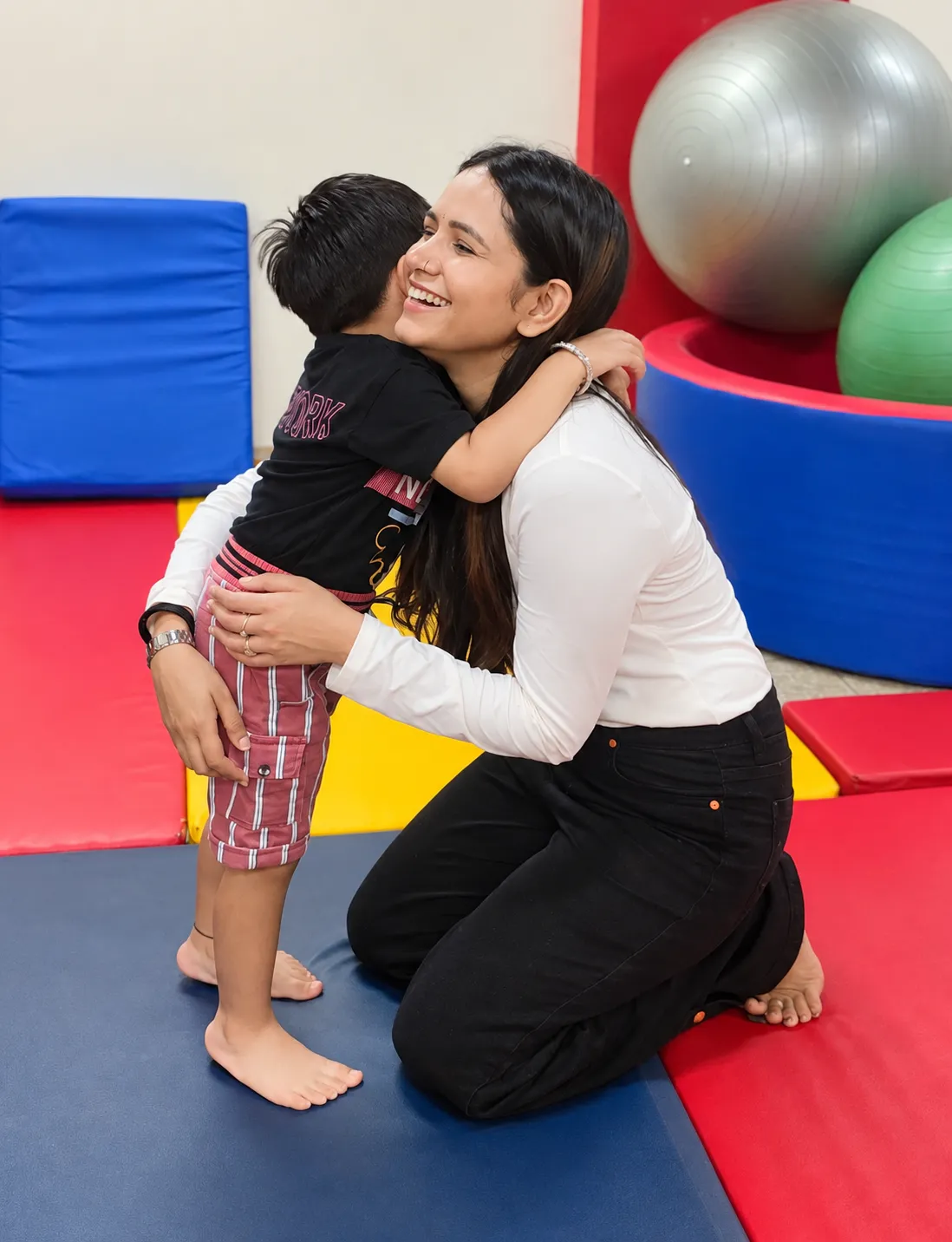
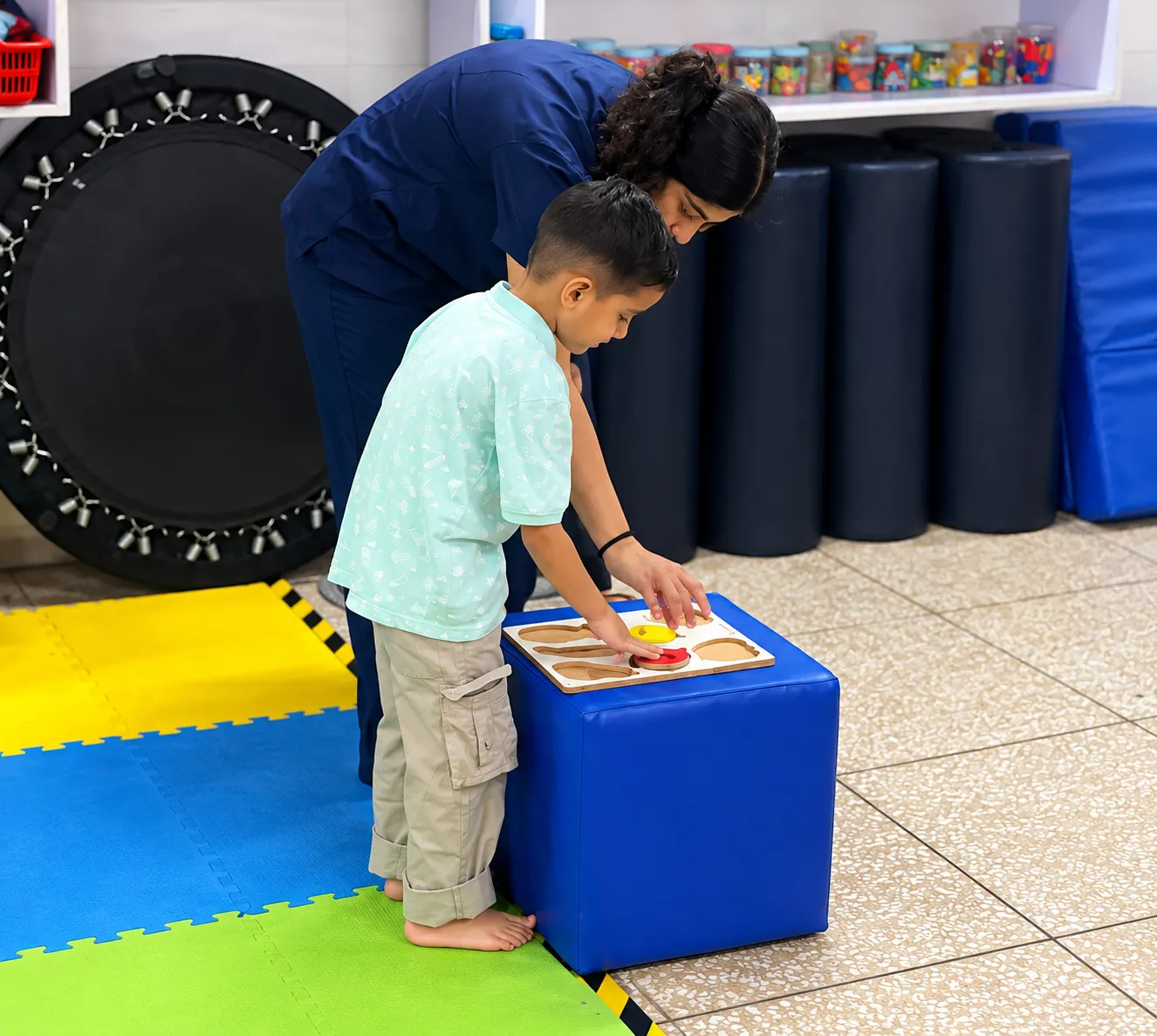
Child Psychology at OTCloud
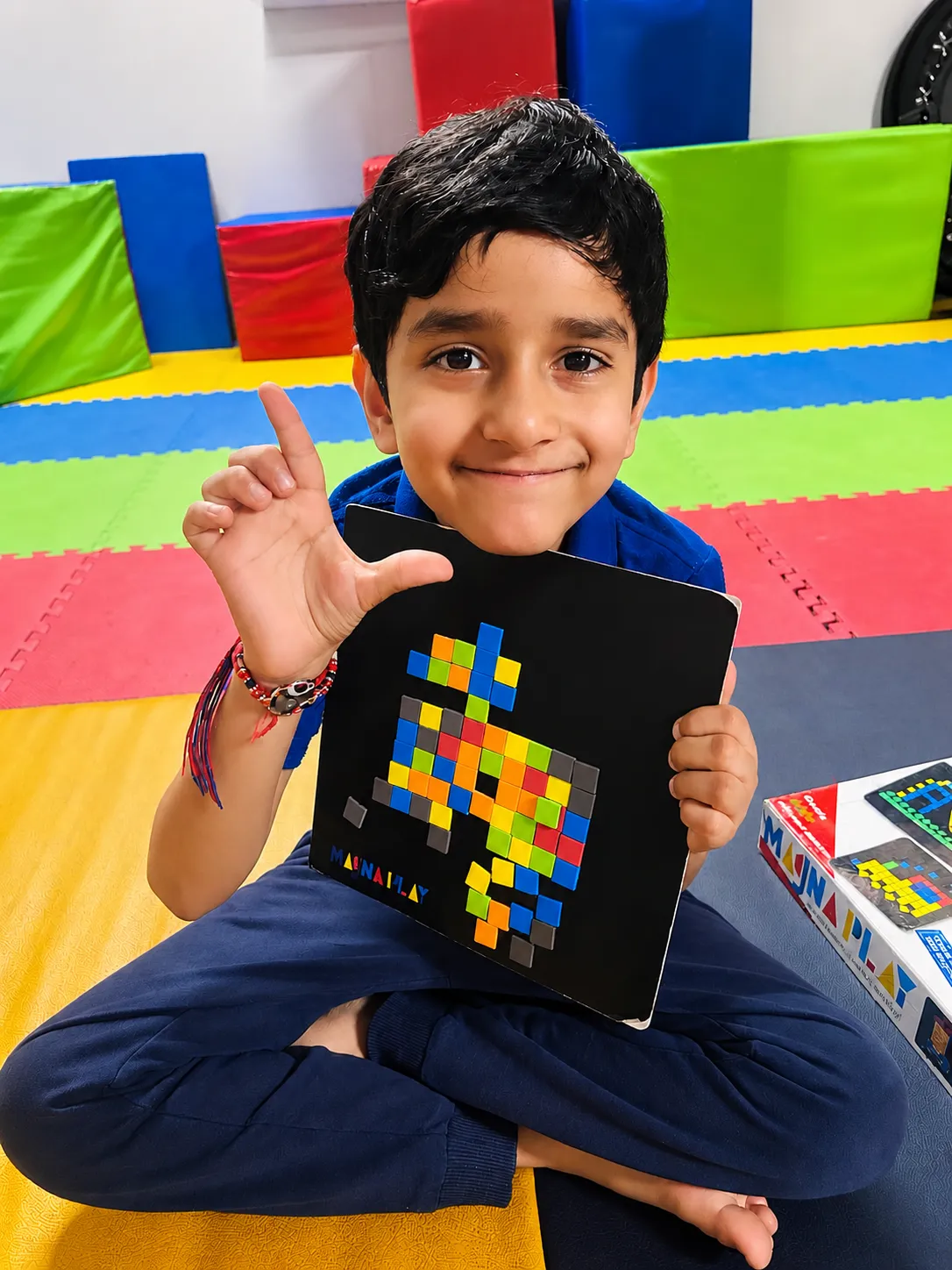
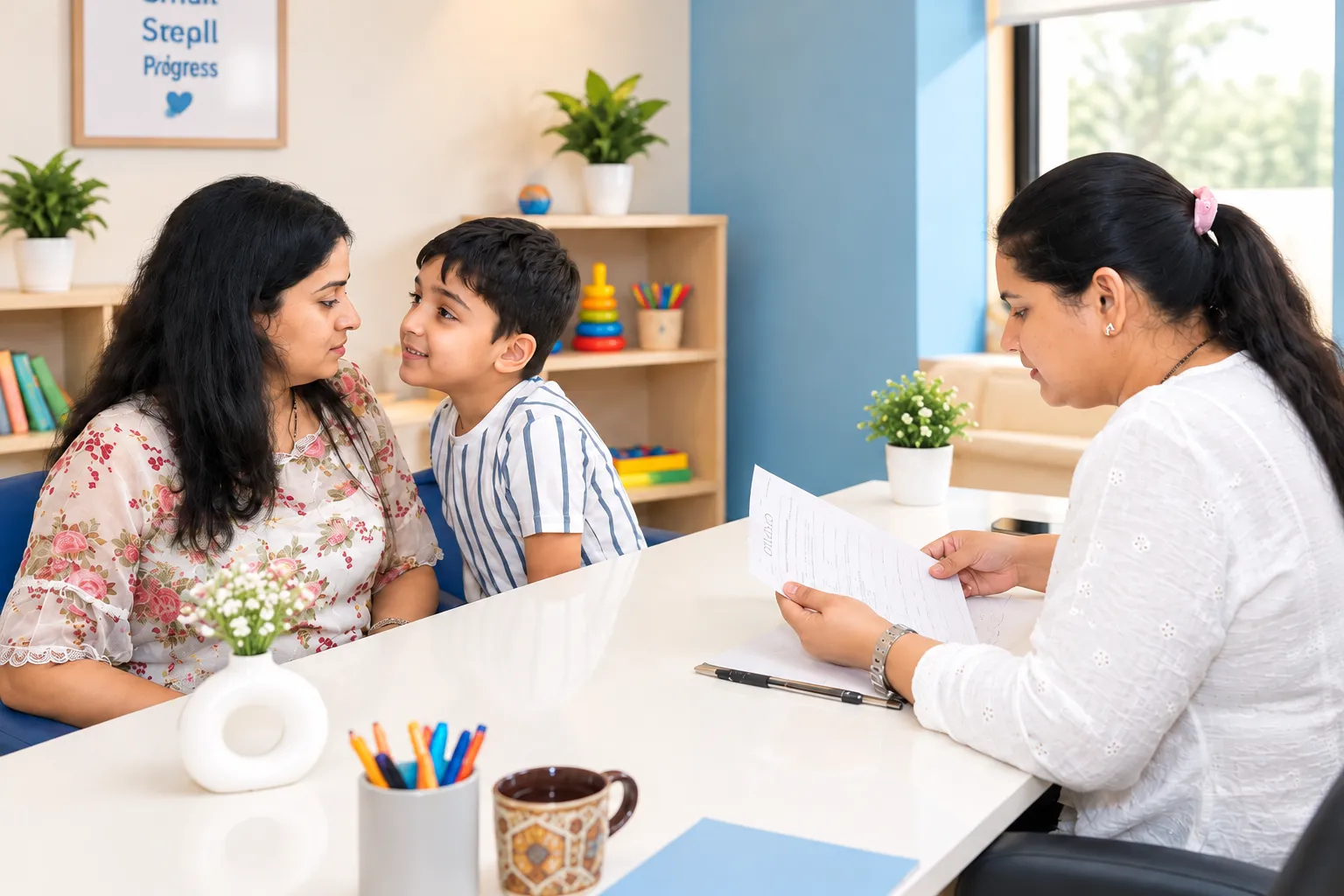
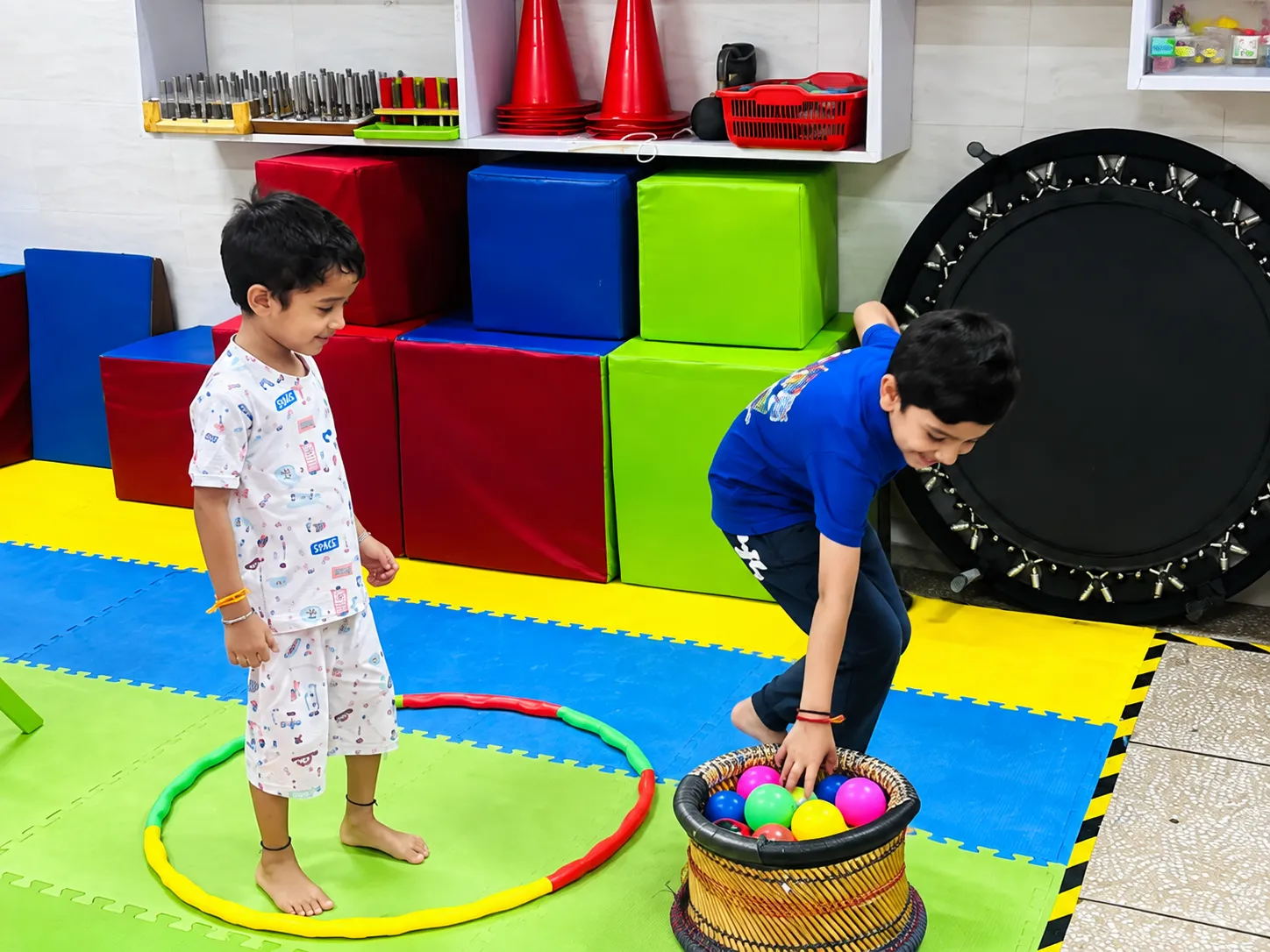
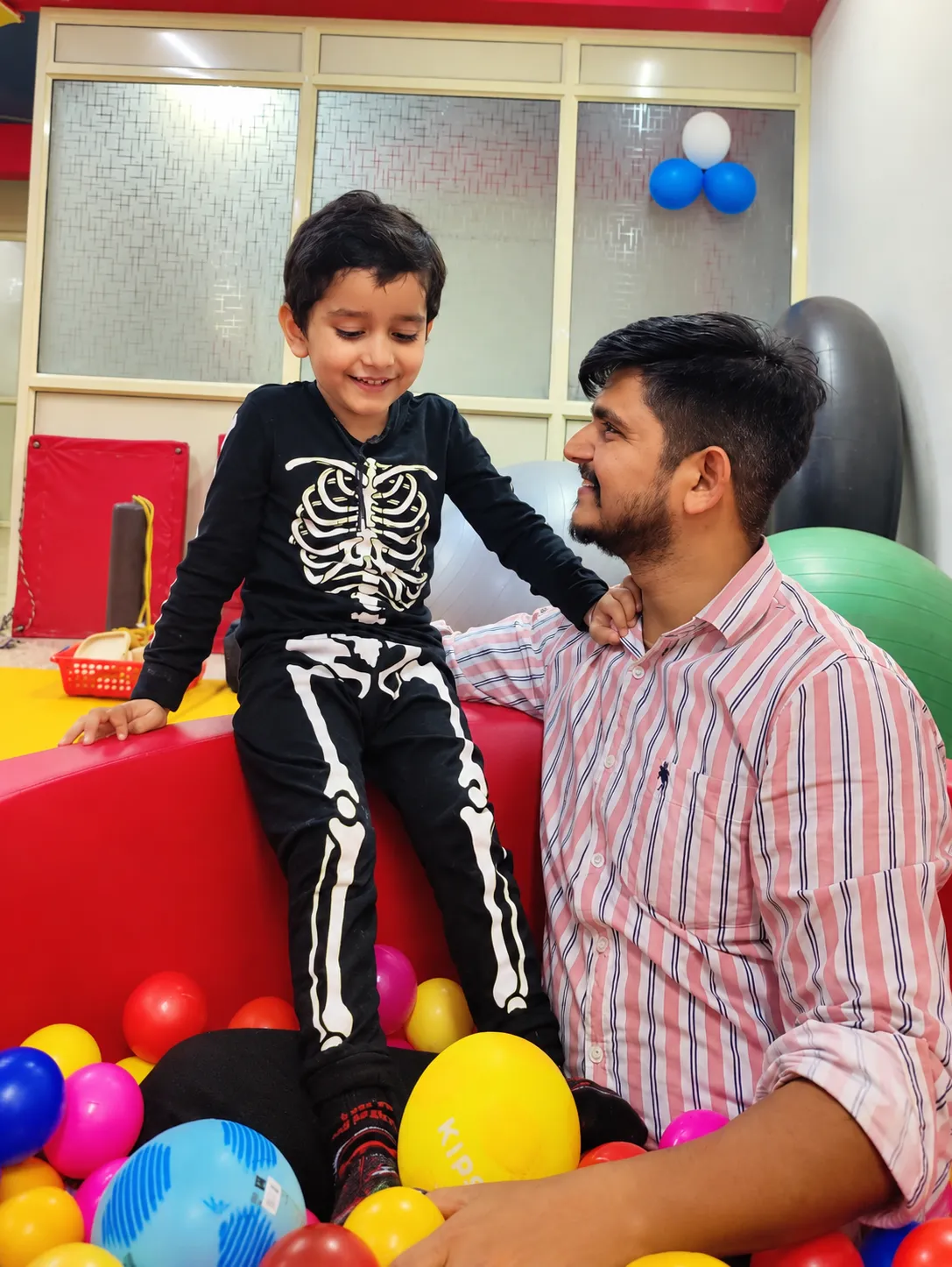
A look at how sessions and parent guidance take place at our Sector 14 centre.
Frequently Asked Questions
What is Child Psychology?
Child Psychology focuses on understanding children's emotional, behavioural, social and cognitive development.
When should I consult a child psychologist?
You may consider a consultation when emotional, behavioural, attention, social or adjustment concerns are affecting your child's everyday life.
Does my child need a diagnosis before seeing a psychologist?
No. Parents can seek professional guidance when they have concerns, even without a formal diagnosis.
Can Child Psychology help with behaviour problems?
Yes. Psychological support can help understand behavioural patterns and develop appropriate strategies for managing challenging situations.
Can a child psychologist help with anxiety?
Yes. Psychological support can help children understand worries and develop age-appropriate coping strategies.
Can Child Psychology help children with ADHD or autism?
Psychological support may address areas such as emotional regulation, behaviour, attention, social interaction and coping skills according to the child's individual needs.
Are parents involved in the process?
Yes. Parent guidance can be an important part of supporting behavioural and emotional skills outside therapy sessions.
Concerned About Your Child's Emotions or Behaviour?
Tell us what you have noticed at home or school. A consultation helps clarify what is happening and which support, if any, would help.