
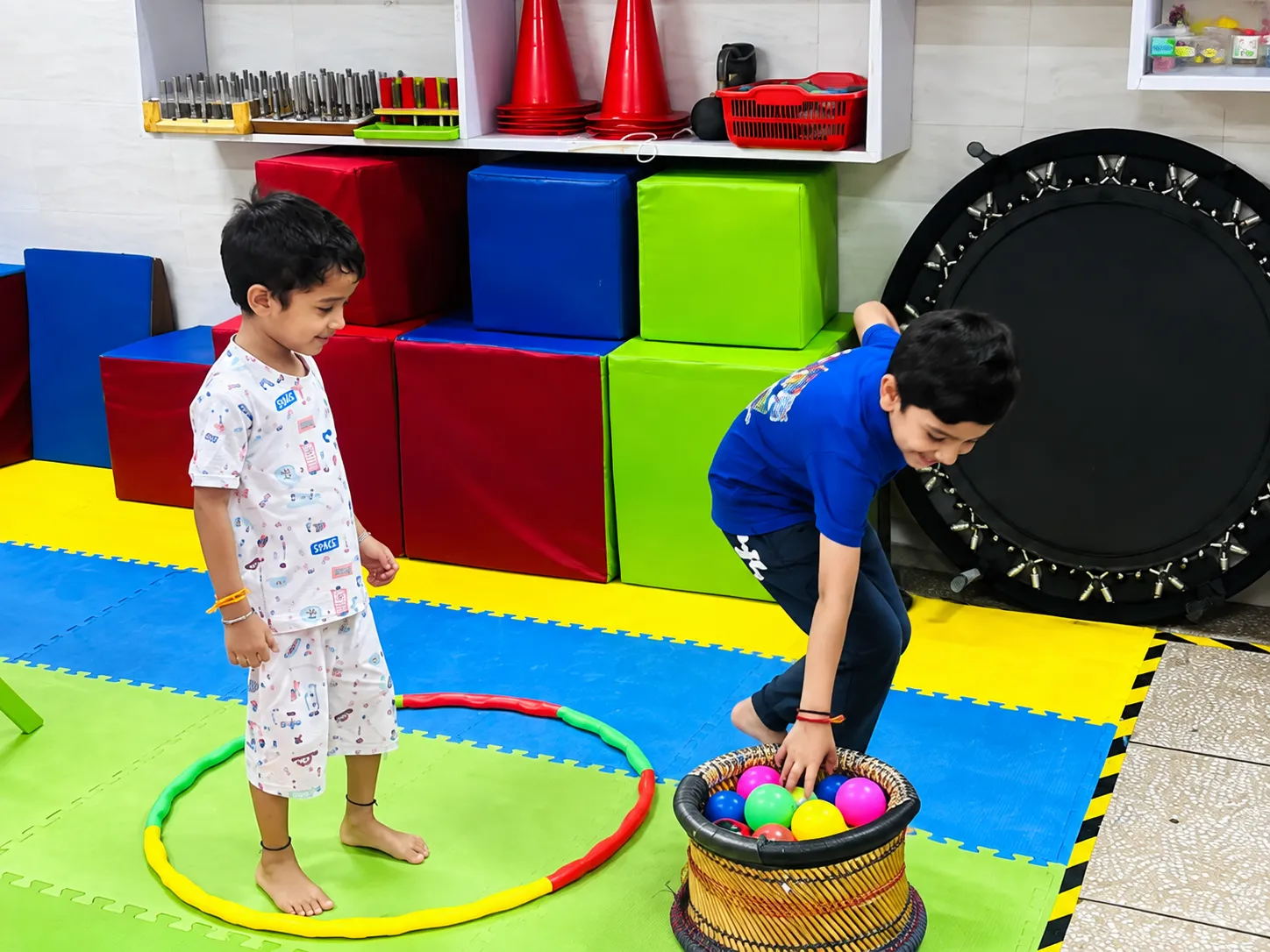
Helping children build the skills they need for everyday life
Occupational therapy helps children develop the skills needed for playing, learning, writing, moving, getting dressed, eating and participating independently at home and school.
At OTCloud Therapy Center, we use individualized, play-based occupational therapy to support each child's fine motor skills, sensory processing, coordination, attention, self-regulation and everyday independence.
What Is Occupational Therapy?
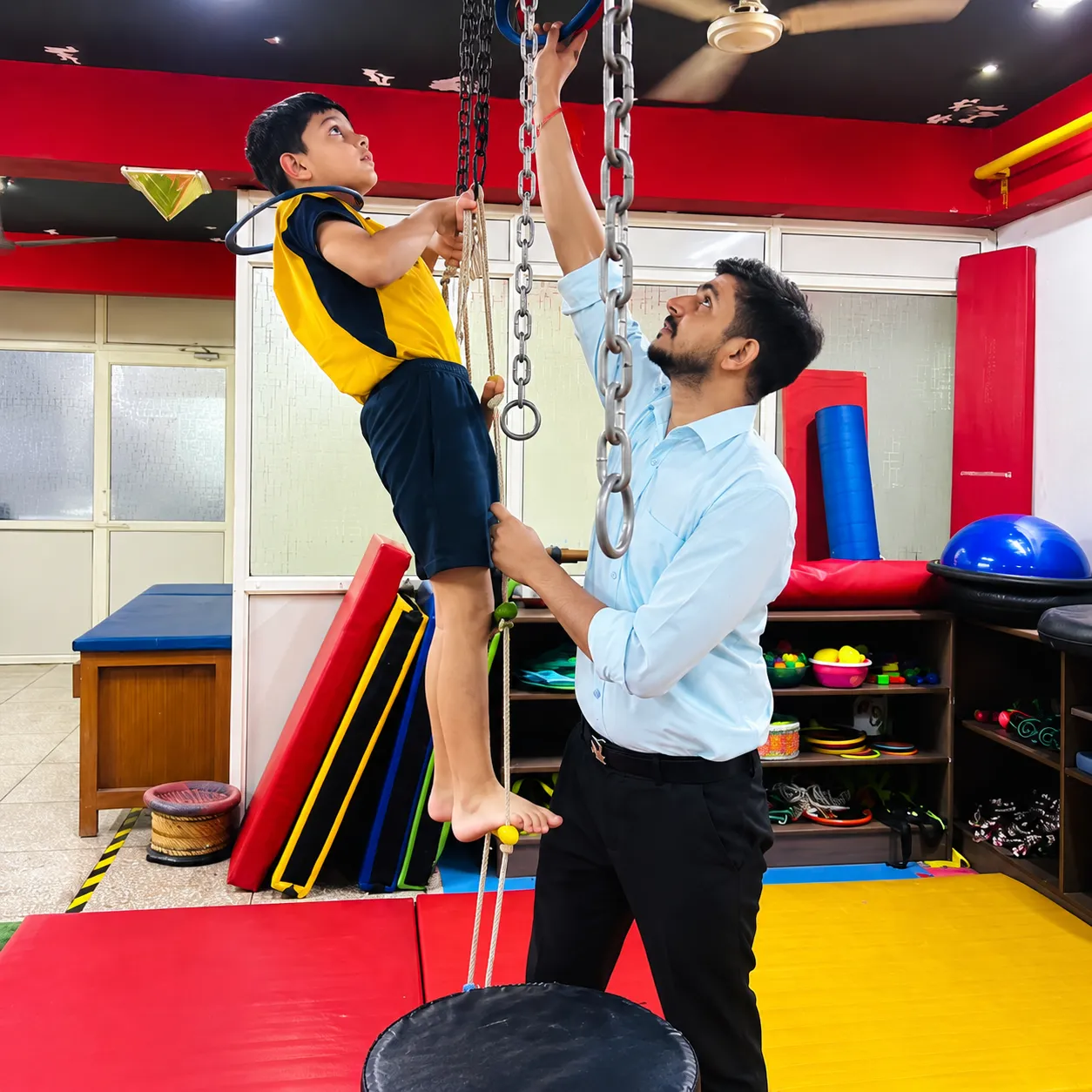
Occupational therapy helps children become more independent in the activities they do every day.
For children, these everyday activities include playing, learning, writing, drawing, eating, dressing, grooming, following routines and participating in school.
An occupational therapist looks at the skills behind these activities — such as hand skills, coordination, sensory processing, motor planning, attention, visual-motor skills and self-regulation — and works on them through meaningful, age-appropriate activities.
The goal is simple: helping children participate more comfortably, confidently and independently in everyday life.
Play
Building skills through purposeful play.
Learn
Supporting classroom and learning participation.
Self-Care
Building independence in everyday routines.
Participate
Helping children take part at home, school and in the community.
Who Can Benefit From Occupational Therapy?
Occupational therapy may be helpful when everyday activities feel difficult for a child.
Sometimes, the signs are small — but they can make everyday activities much harder.
Handwriting
Pencil grip, writing and drawing.
Fine Motor
Hands, fingers and coordination.
Sensory
Textures, sounds and movement.
Attention
Focus and participation.
Self-Care
Dressing, feeding and grooming.
Coordination
Balance and body control.
Play Skills
Functional and age-appropriate play.
School Readiness
Skills needed for classroom participation.
Conditions We Support
Occupational therapy can support children with a wide range of developmental, neurological, sensory and functional needs.
Autism Spectrum Disorder
Sensory processing, self-regulation, play, motor and daily living skills.
ADHD
Attention, regulation, coordination and participation.
Developmental Delay
Supporting age-appropriate developmental and functional skills.
Sensory Processing Difficulties
Helping children manage and participate in everyday sensory experiences.
Cerebral Palsy
Supporting functional movement, coordination, hand use and independence.
Learning Difficulties
Supporting the underlying skills needed for classroom participation and learning.
Handwriting Difficulties
Addressing the skills that contribute to comfortable and functional writing.
Fine Motor Difficulties
Building hand strength, dexterity and coordinated hand use.
Therapy is planned around the child's functional participation needs. A formal diagnosis is not always required to begin.
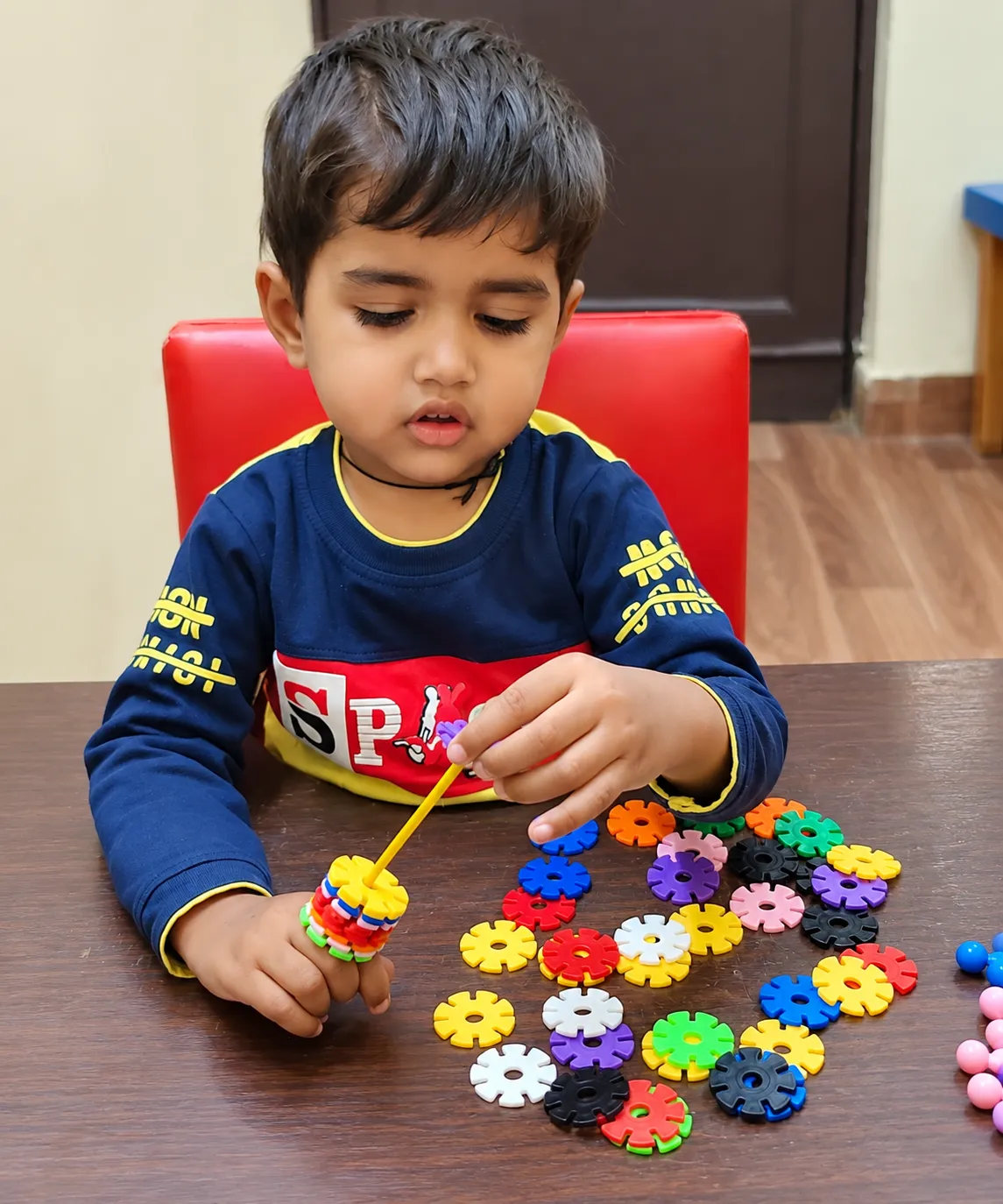
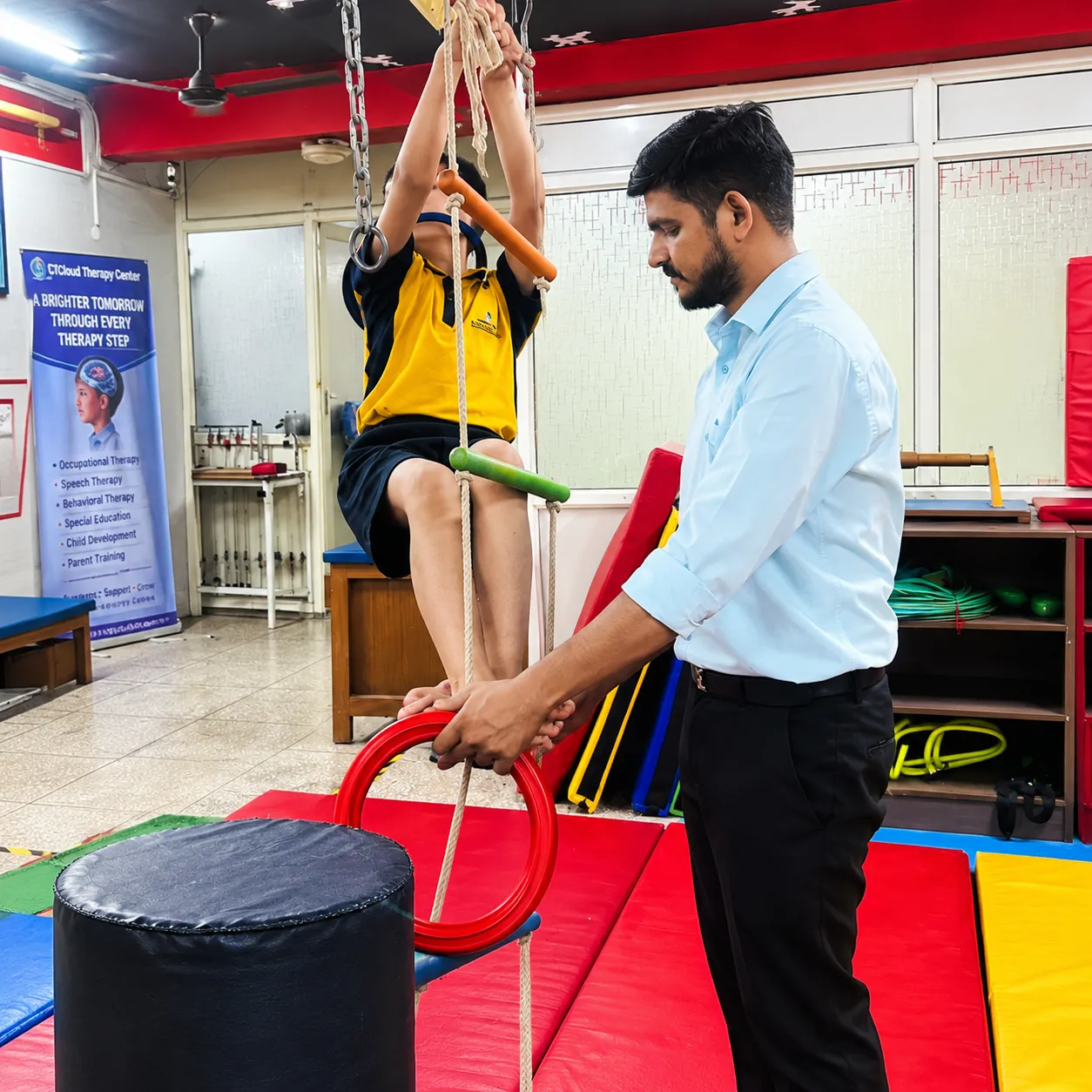
Gallery of Occupational Therapy
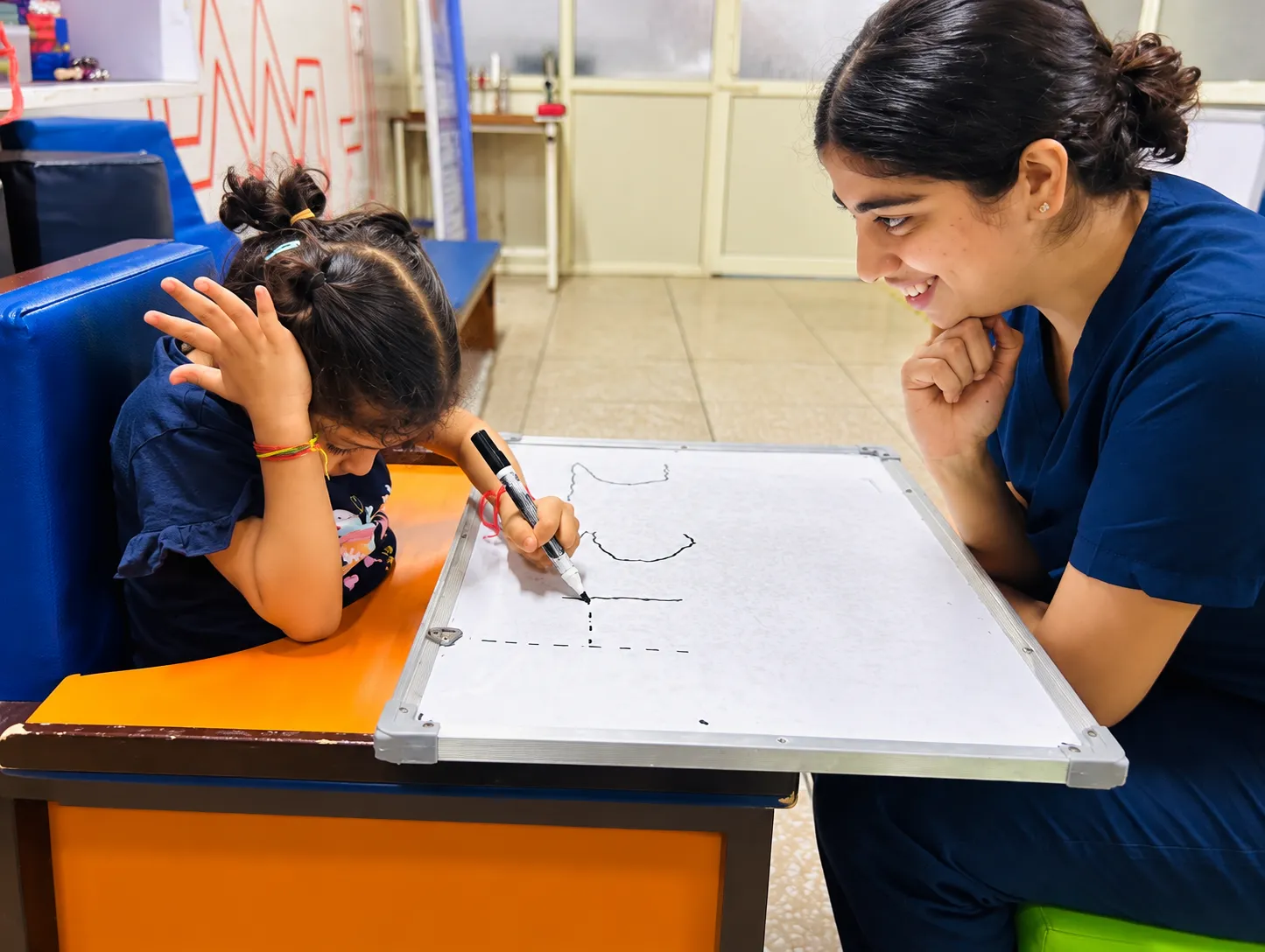
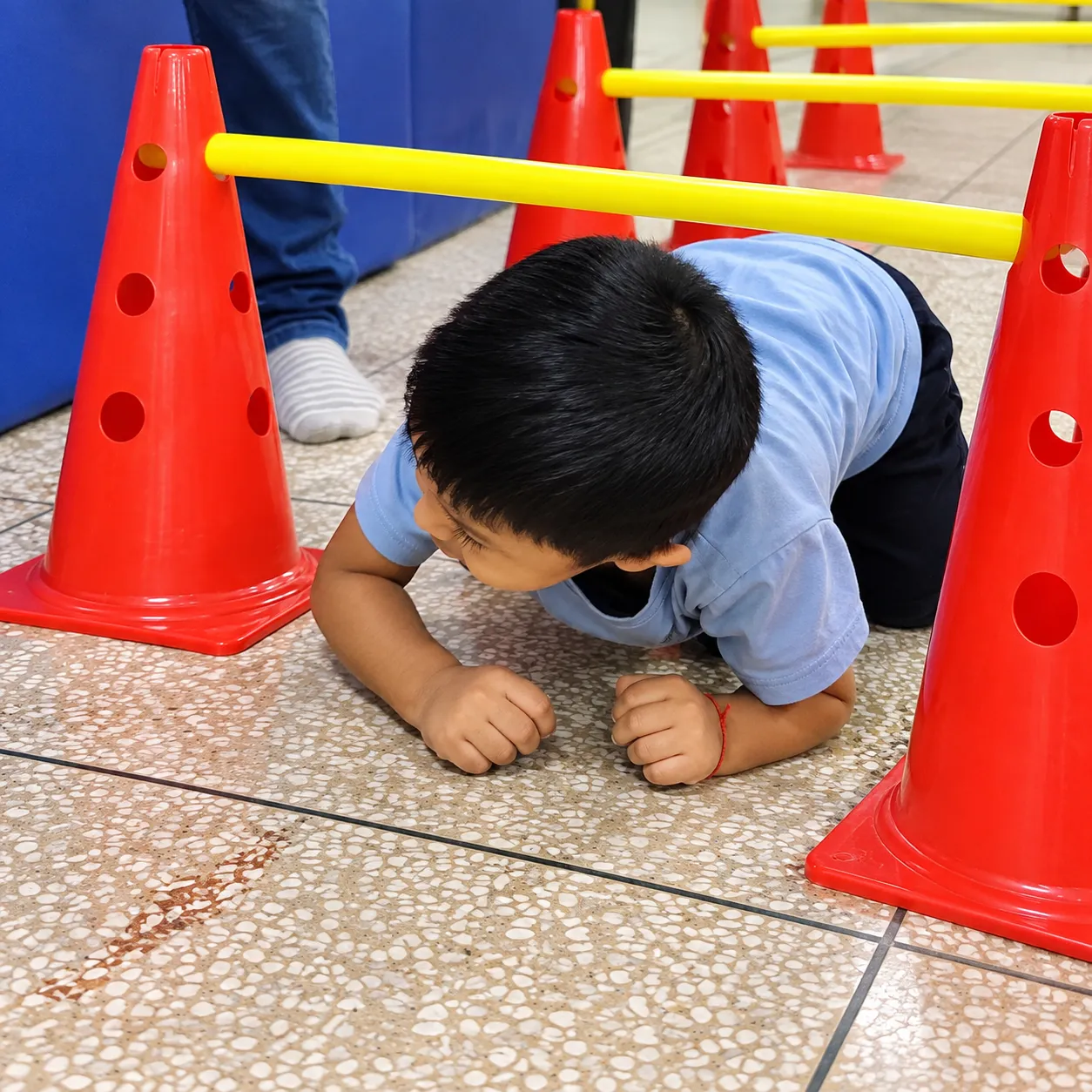
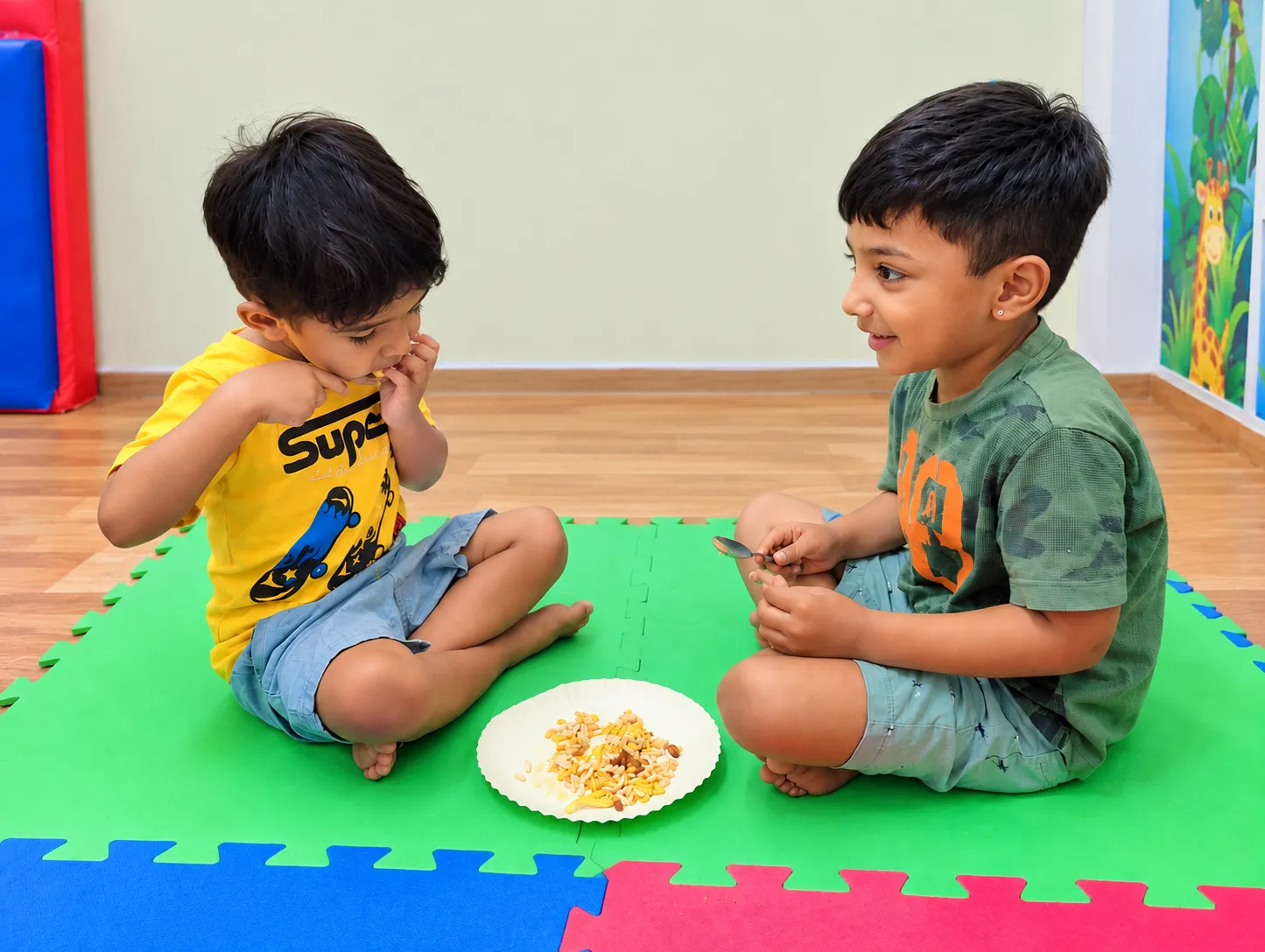
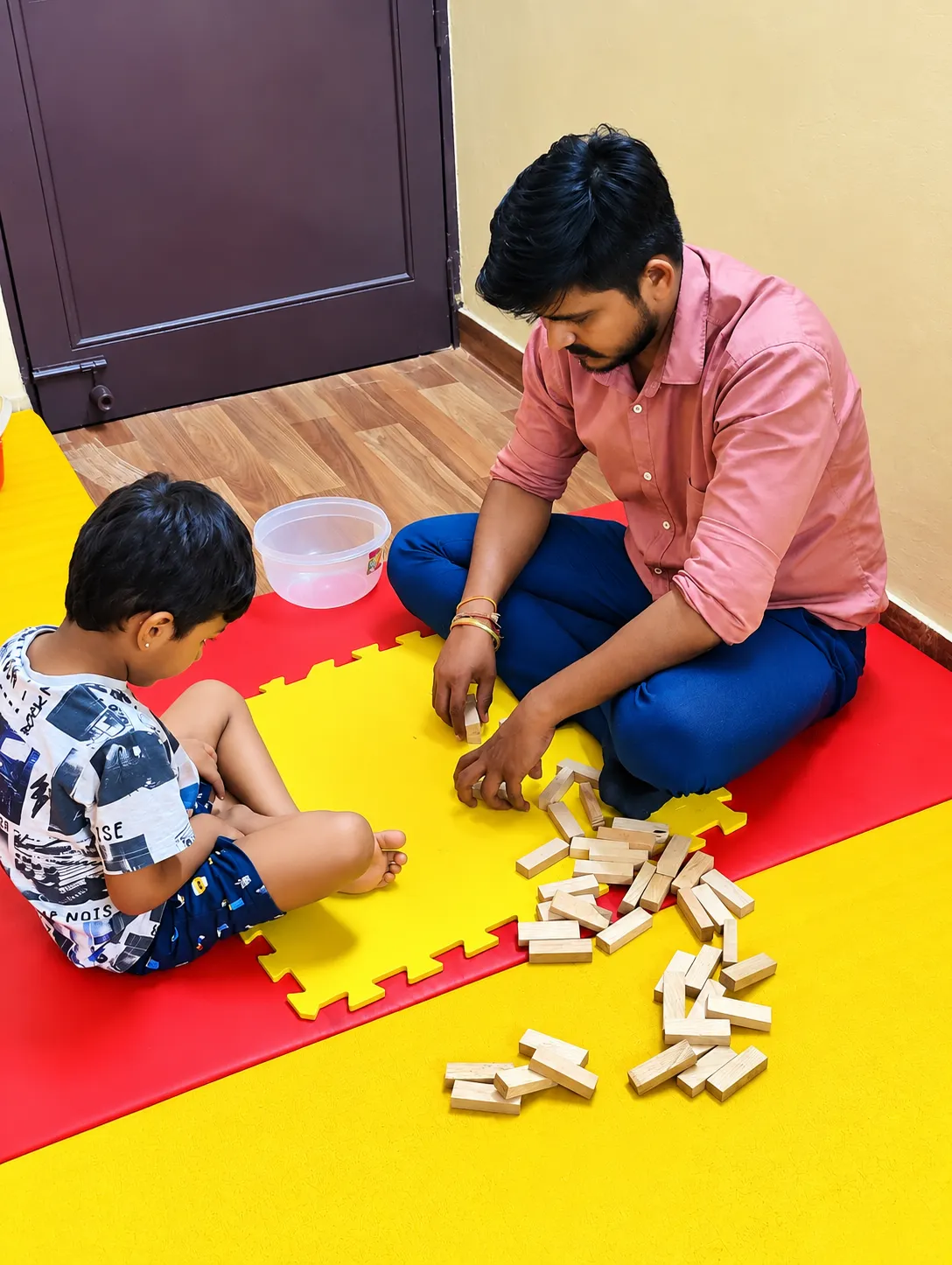
A closer look at occupational therapy in action — rather than explaining everything through text, see what a session can look like.
Frequently Asked Questions
What is occupational therapy for children?
Pediatric occupational therapy helps children develop the skills needed for everyday activities such as playing, learning, writing, eating, dressing, grooming and participating in school and home routines.
How do I know if my child needs occupational therapy?
You may consider an OT assessment if your child has ongoing difficulty with handwriting, pencil grip, fine motor skills, coordination, sensory processing, attention, self-care, play or school participation.
What does a pediatric occupational therapist do?
A pediatric occupational therapist assesses the skills affecting a child's everyday participation and develops individualized activities to support areas such as fine motor skills, sensory processing, coordination, handwriting, self-care, attention and motor planning.
Can occupational therapy help with handwriting?
Yes. OT can address the skills that support handwriting, including pencil grasp, hand strength, fine motor control, visual-motor coordination, posture, pencil control and letter formation. Handwriting is a common area of pediatric OT support.
Can occupational therapy help with pencil grip?
Yes. A therapist can look at the child's hand strength, finger coordination, grasp pattern, posture and visual-motor skills and work on the underlying skills needed for functional pencil use.
Can occupational therapy help children with sensory issues?
Occupational therapy can assess how a child responds to sensory input such as touch, sound, movement, textures and visual information and may provide individualized strategies to support participation and regulation.
Can OT help a child with autism?
Yes. OT may support children with autism in areas such as sensory processing, self-regulation, fine motor skills, motor planning, play, self-care and participation in everyday routines.
Can occupational therapy help children with ADHD?
OT may support children with ADHD in areas such as attention, self-regulation, organization, motor skills, sensory needs and participation in everyday activities.
Can occupational therapy help with fine motor skills?
Yes. OT can work on hand strength, finger coordination, grasp, dexterity, bilateral hand use and other skills needed for activities such as writing, drawing, cutting and manipulating objects.
Can OT help my child become more independent?
Yes. Occupational therapy can work on everyday skills such as dressing, feeding, grooming, toileting, using utensils, managing school materials and following daily routines.
What happens during an occupational therapy assessment?
The therapist discusses your concerns, observes how your child performs relevant activities, assesses appropriate developmental and functional skills, identifies strengths and areas requiring support, and uses the findings to guide therapy goals.
Is occupational therapy the same as physiotherapy?
No. Occupational therapy focuses strongly on participation in everyday activities, including fine motor skills, sensory processing, self-care, handwriting and functional independence. Physiotherapy primarily focuses on movement, strength, balance, mobility and physical function. The two can complement each other when needed.
Does my child need a diagnosis to receive occupational therapy?
Not necessarily. OT can be considered when a child is experiencing functional or developmental difficulties, even when there is no formal diagnosis.
How long does a child need occupational therapy?
It varies from child to child. The duration and frequency depend on the child's individual needs, functional goals, progress and response to therapy.
Can occupational therapy help with school readiness?
Yes. OT can support skills such as sitting and participating in activities, fine motor control, pencil skills, visual-motor coordination, following routines, attention and independence in classroom tasks.
Wondering Whether OT Could Help Your Child?
Tell us what you have noticed. An assessment gives you a clear picture of your child's strengths, the areas that need support and the most appropriate next step.