
Special Education for Children
Individualized learning support for every child's educational needs.
Special Education provides personalized educational support for children who learn differently or need additional help with academic, cognitive, communication or classroom skills. At OTCloud Therapy Center, learning goals are planned according to each child's abilities, pace and educational needs.
What Is Special Education?
Special Education is individualized teaching designed to help children develop the skills they need to participate more successfully in learning and school activities.
Rather than following the same approach for every child, a special educator adapts teaching methods, learning materials and goals according to the child's current abilities.
Academic Learning
Reading, writing, spelling and foundational academic concepts.
Learning Skills
Attention, memory, understanding concepts and problem-solving.
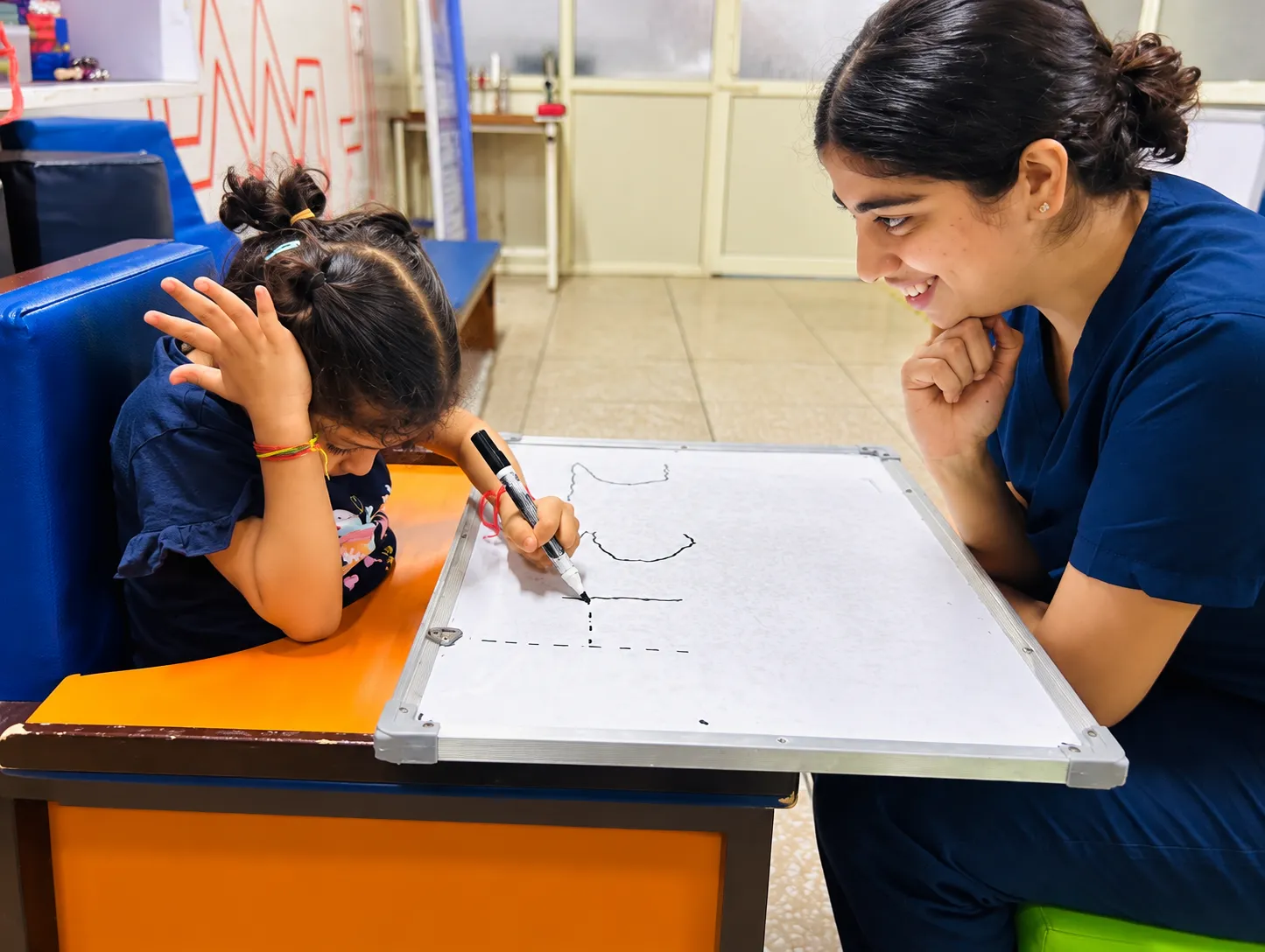
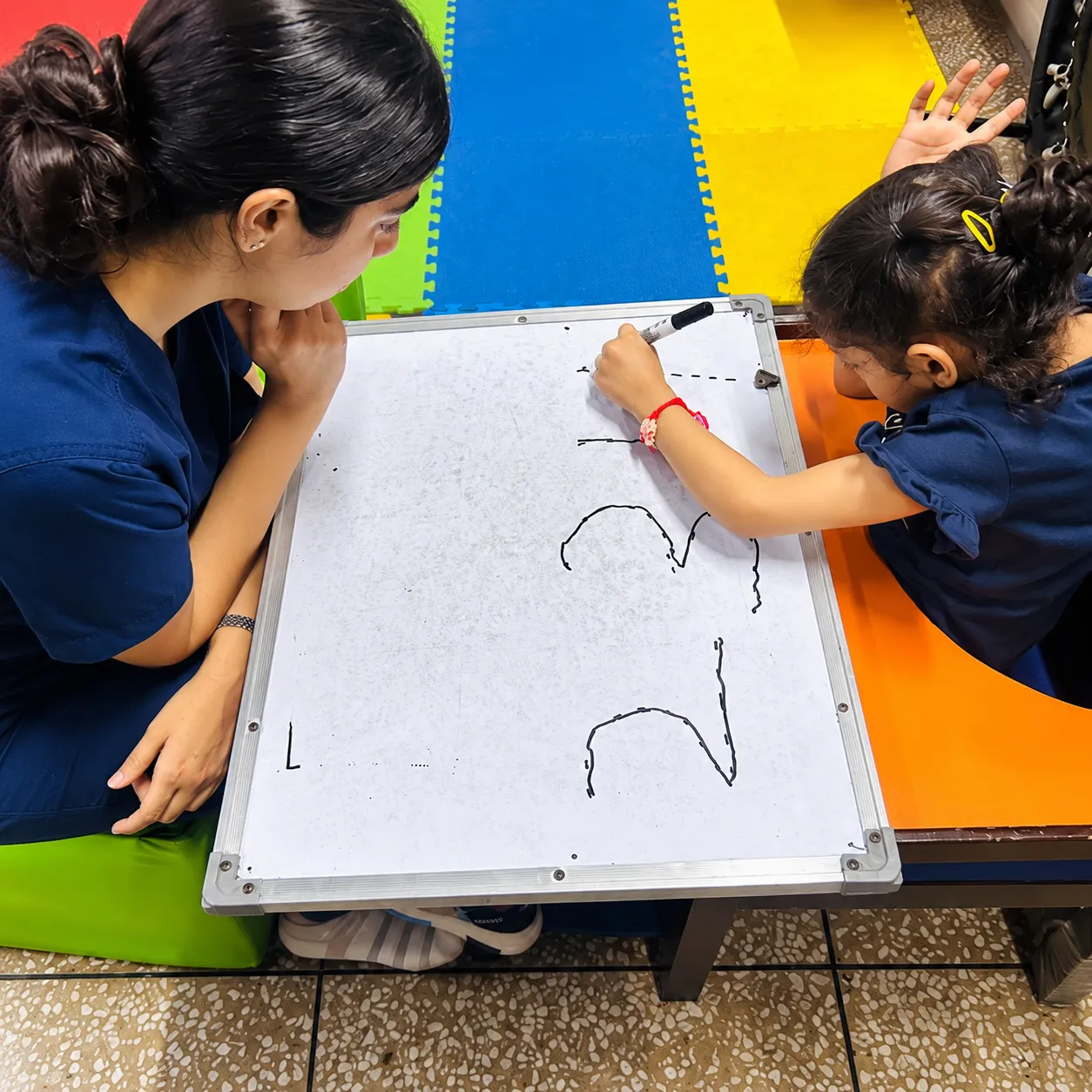
Written Work
Letter formation, copying, written expression and completing worksheets.
Classroom Readiness
Following routines, completing tasks and participating in classroom activities.
Does Your Child Need Extra Learning Support?
Special Education may be helpful when a child needs additional support with:
Reading & Writing
Difficulty developing age-appropriate literacy skills.
Mathematics
Challenges with number concepts, calculations or understanding mathematical ideas.
Attention & Task Completion
Needs support to stay engaged and complete learning activities.
Understanding Concepts
Requires additional teaching, repetition or visual support to learn new concepts.
Schoolwork
Needs individualized strategies to participate more effectively in academic tasks.
Learning Pace
Benefits from teaching that follows their own pace and learning style.
Memory & Recall
Difficulty remembering and applying what was taught in earlier lessons.
Organisation & Study Skills
Support with planning work, managing materials and following routines.
Special Education for Different Learning Needs
Support can be considered for children who may benefit, including children with:
A diagnosis does not automatically mean a child needs Special Education. Support is considered only when learning or academic participation is affected, based on an individual assessment.
Learning Designed Around the Child
Assessment → Goal Setting → Teaching → Progress Review
- Assessment 1. Understand We identify the child's current academic and learning abilities.
- Goal Setting 2. Set Goals Learning goals are selected according to the child's needs and educational requirements.
- Teaching 3. Teach & Practice Concepts are taught using structured activities, visual supports and appropriate learning materials.
- Progress Review 4. Monitor Progress Skills are reviewed regularly and learning goals are adjusted as the child progresses.
Making Learning More Accessible
Special educators may use:
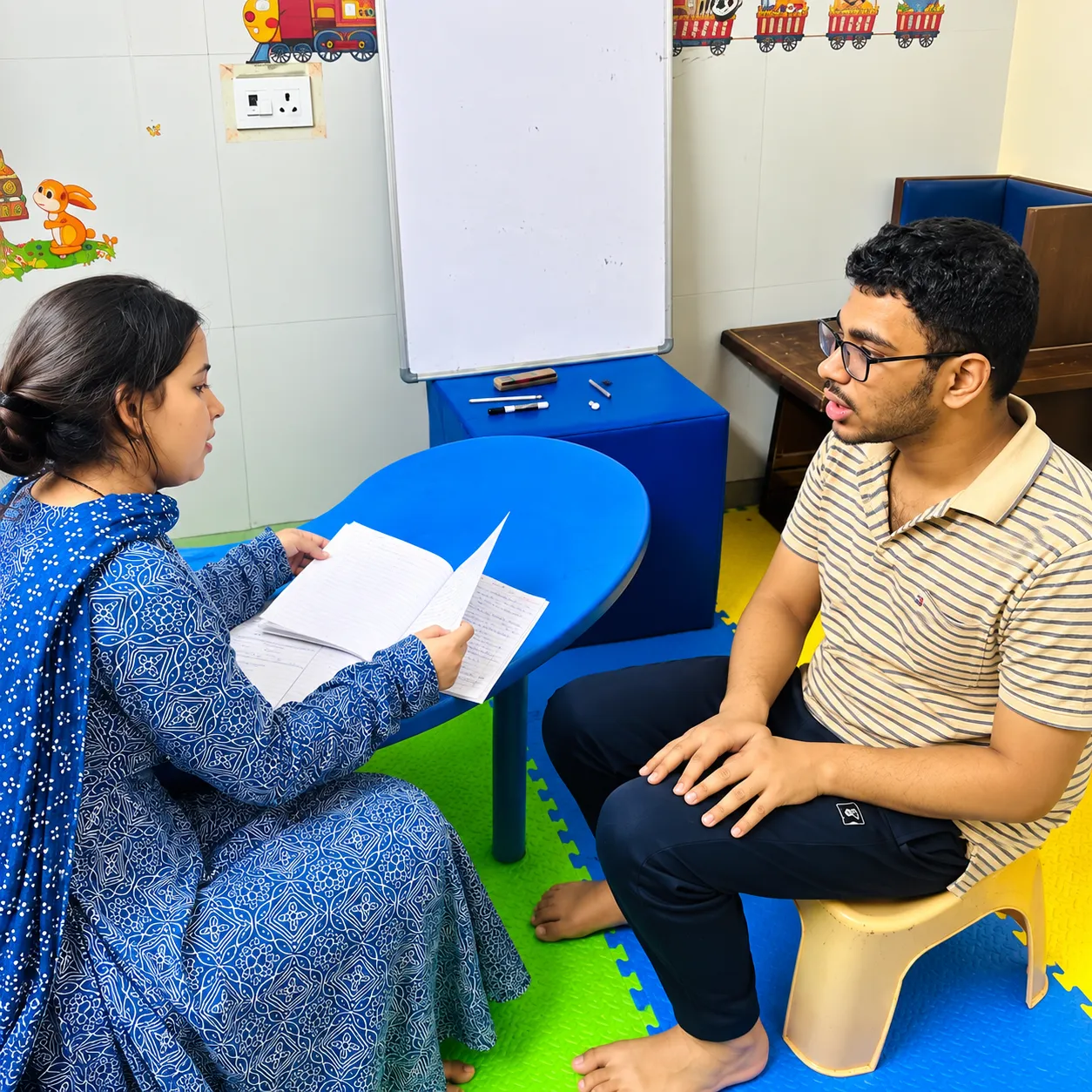
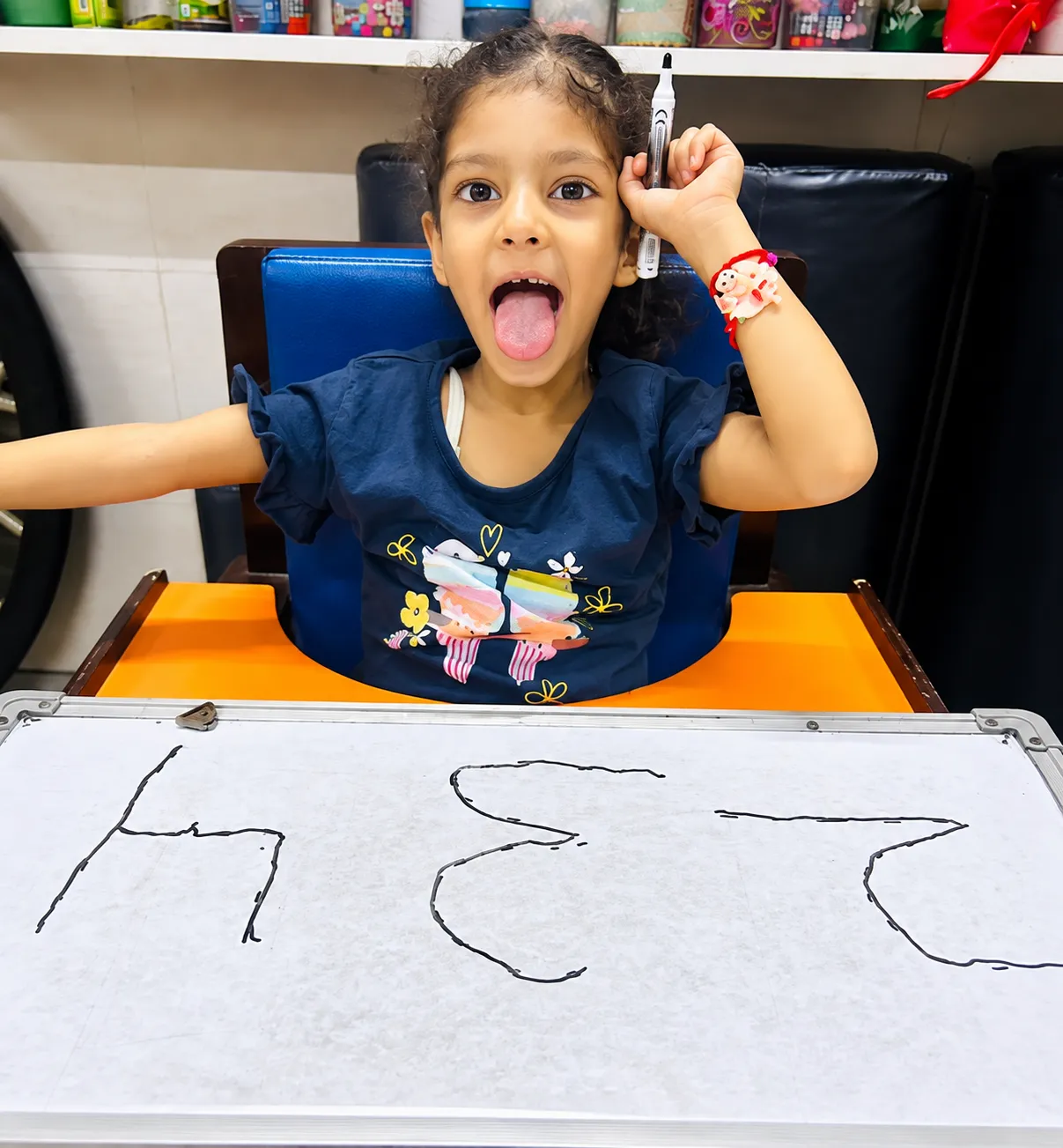
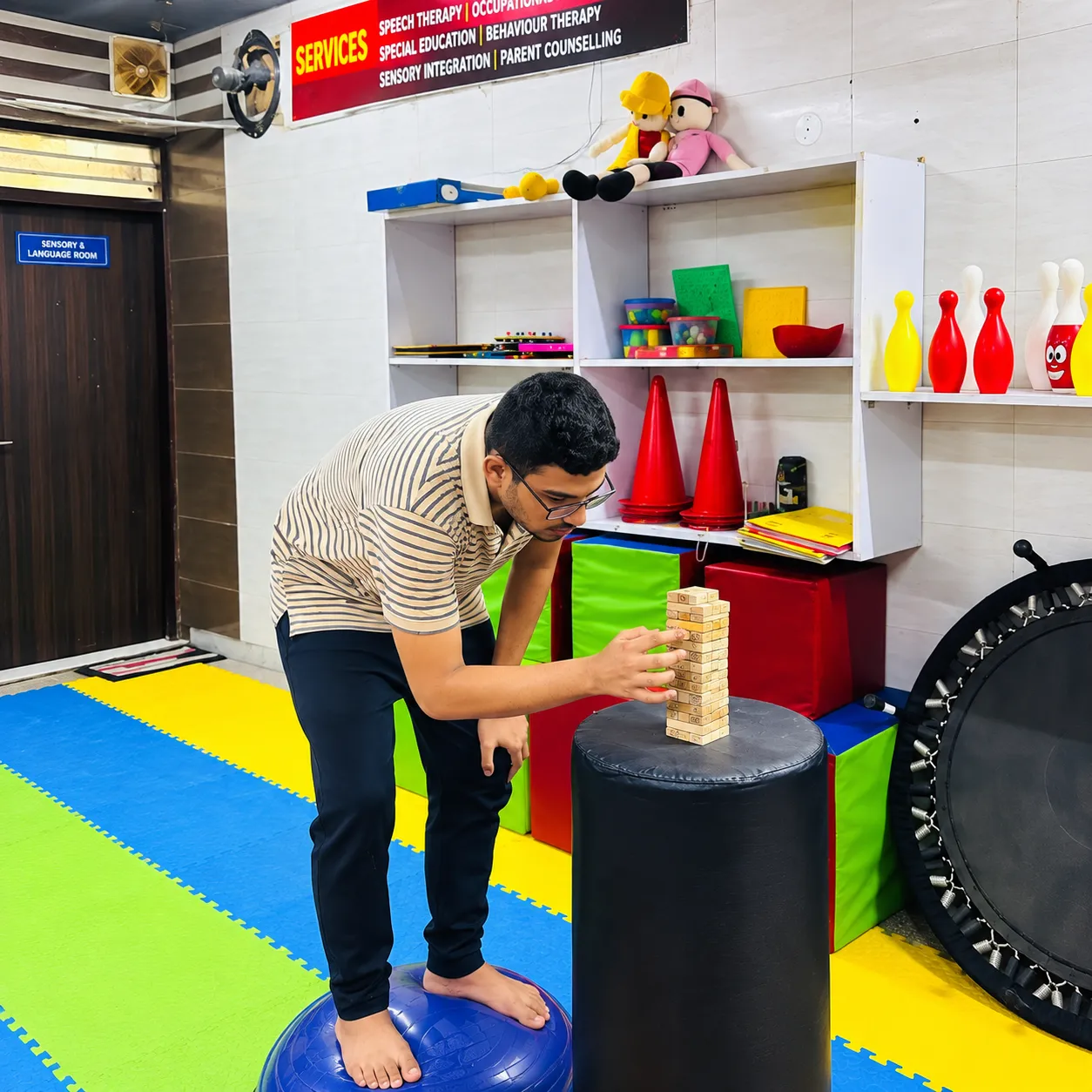
Special Education at OTCloud
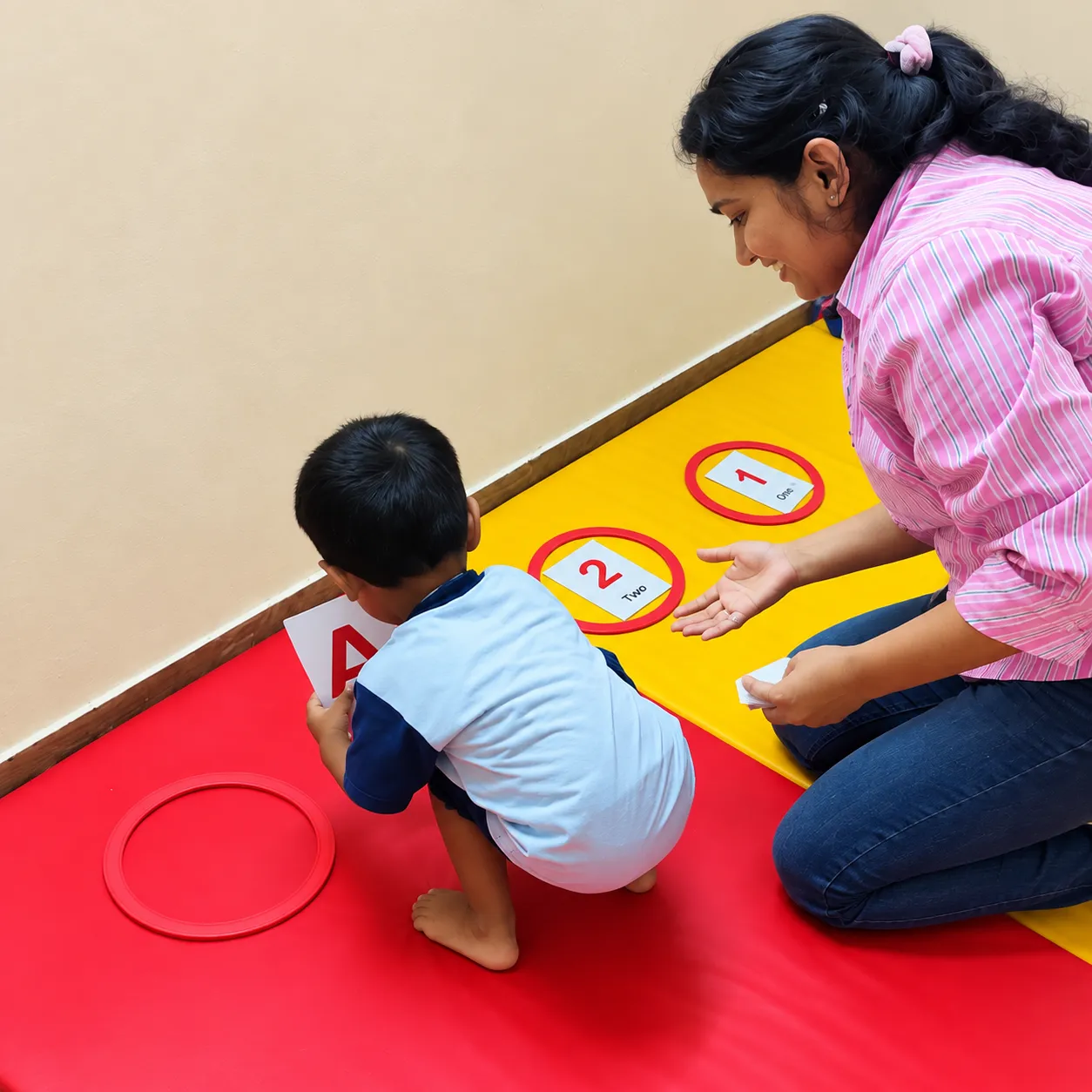
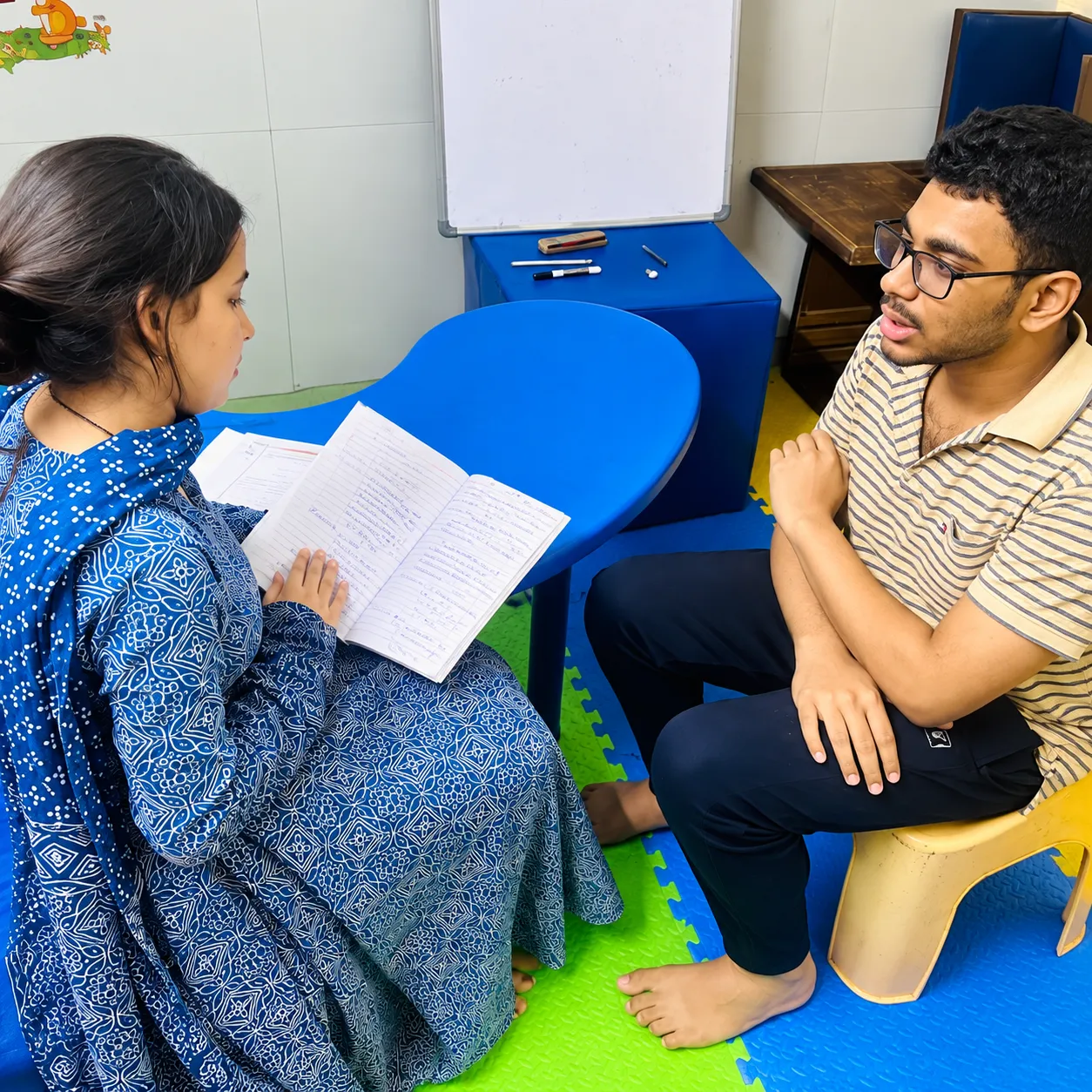
What learning support actually looks like during a session.
Frequently Asked Questions
What is Special Education?
Special Education provides individualized teaching and learning support for children who need additional help with academic, learning or classroom skills.
Does my child need a diagnosis for Special Education?
Not necessarily. Educational support can be considered when a child is experiencing learning or academic difficulties, even when a formal diagnosis has not been made.
Can Special Education help with reading and writing?
Yes. Support may include foundational literacy, reading, spelling, writing and comprehension skills.
Can Special Education help children with learning difficulties?
Yes. Teaching strategies and learning goals can be adapted to the child's specific learning profile.
Is Special Education only for school-going children?
No. Educational support can begin with foundational pre-academic skills and continue into school-age learning.
How is Special Education different from tuition?
Tuition generally focuses on subject teaching. Special Education focuses on how a child learns, adapting teaching methods, materials and goals to their individual needs.
How are parents involved?
Parents can receive practical suggestions for reinforcing learning skills and educational routines at home.
Is Your Child Finding Learning Difficult?
An assessment clarifies how your child learns best and which teaching approach will help them participate more confidently at school.
Learning · Academics · Attention · Classroom Skills