
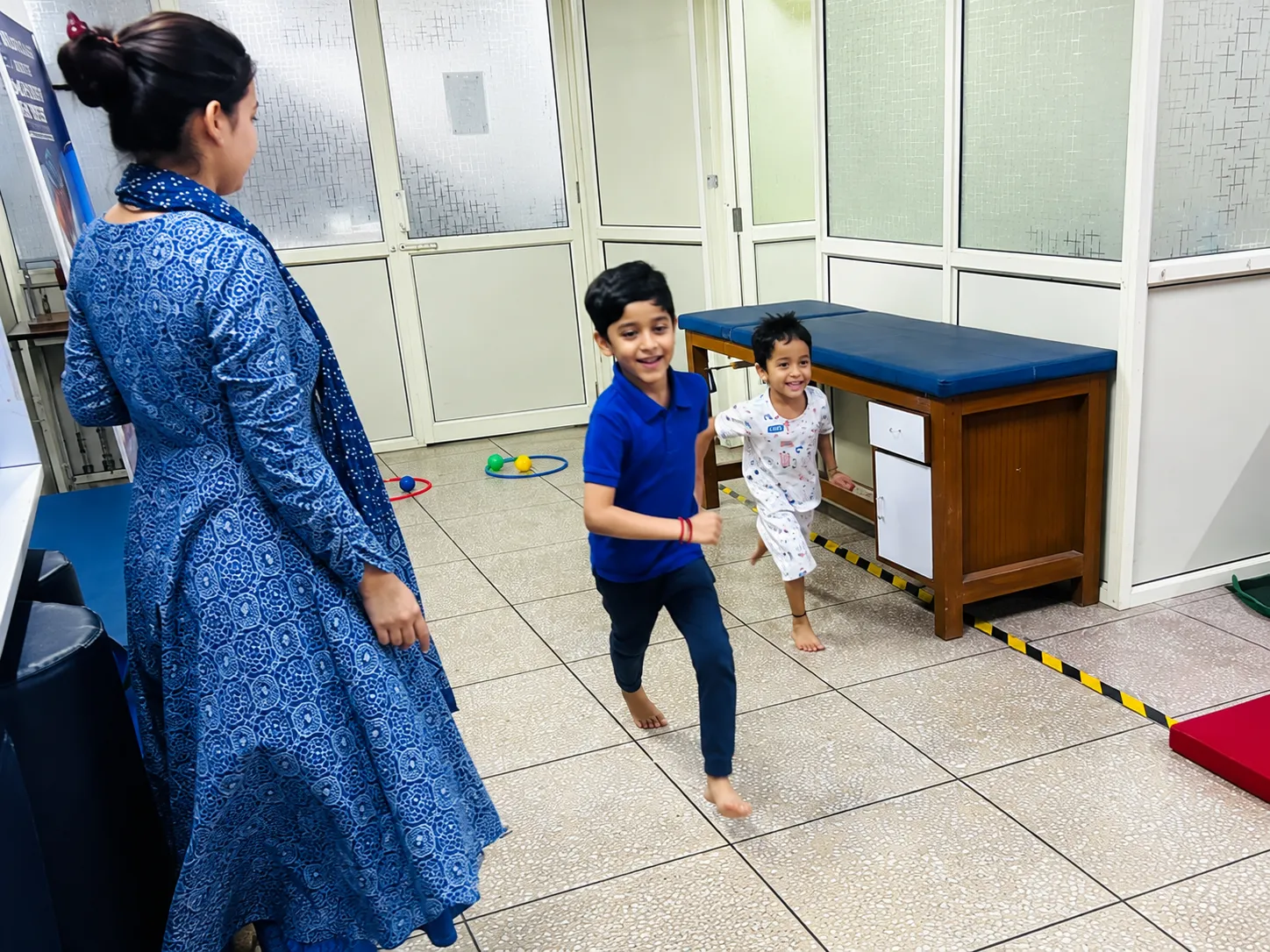
Child Physiotherapy for Growing Strength & Movement
Helping children build strength, balance, coordination and confidence in movement.
Child physiotherapy supports children in developing and improving their movement, strength, balance, coordination, posture and physical participation.
At OTCloud Therapy Center, our physiotherapy approach is individualized to the child's developmental level, physical abilities, functional needs and everyday goals.
What Is Child Physiotherapy?
Child physiotherapy focuses on helping children develop the physical skills needed to move, play, participate and become more independent in everyday activities.
A pediatric physiotherapist looks at how a child moves and identifies areas where support may improve strength, balance, coordination, posture, mobility and functional participation.
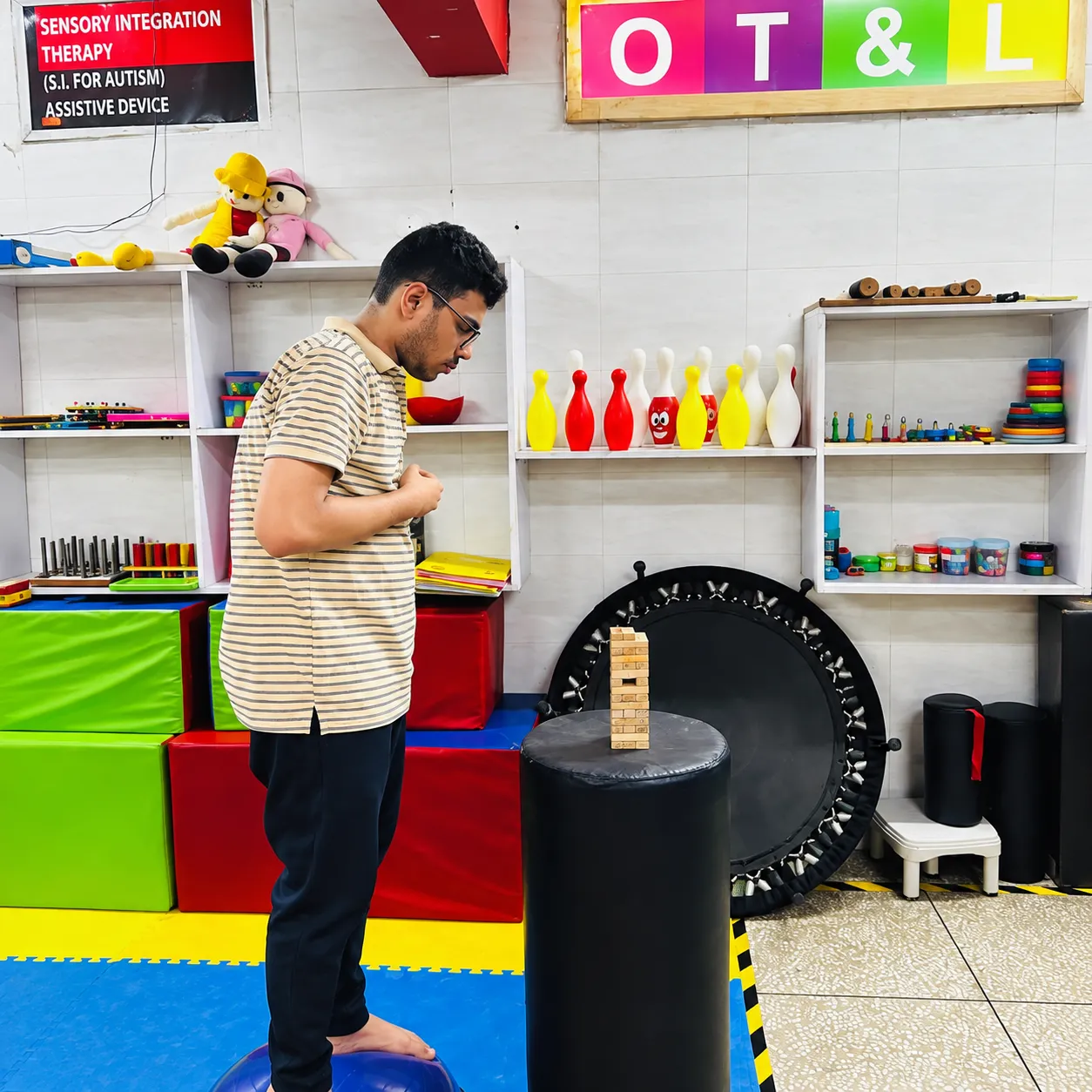
For a child, this may include:
Strength
Building the strength needed for age-appropriate movement and activities.
Balance
Improving stability and control while sitting, standing, walking and moving.
Coordination
Supporting smoother and more controlled movement.
Mobility
Helping children improve functional movement and participation.
Who Can Benefit From Child Physiotherapy?
A child may benefit from physiotherapy when physical or movement difficulties affect play, mobility, participation, school activities or everyday independence.
Movement & Motor Skills
- Delayed rolling, sitting, crawling or walking
- Difficulty running, jumping or climbing
- Slower to learn new movement skills
- Avoids physically demanding play
Strength & Posture
- Tires quickly during physical activity
- Slouching or difficulty sitting upright
- Reduced endurance at school or during play
- Difficulty holding a position for long
Balance & Coordination
- Frequent falls or bumping into things
- Difficulty standing on one leg
- Clumsy or uncoordinated movement
- Difficulty with stairs or uneven surfaces
Mobility & Participation
- Difficulty keeping up with other children
- Reluctance to join sports or playground activities
- Needs more physical help than expected
- A walking pattern that looks different
The goal is not simply to improve movement — it is to help children use their physical abilities more effectively in everyday life.
Conditions We Support
Child physiotherapy may support children with a range of developmental, neurological, musculoskeletal and movement-related needs.
Cerebral Palsy
Supporting strength, mobility, balance, posture and functional movement.
Learn More →Developmental Delay
Supporting gross motor development and age-appropriate physical skills.
Learn More →Neurological Conditions
Supporting movement, mobility, coordination and functional participation.
Learn More →Muscular Dystrophy
Supporting functional mobility, positioning and participation while considering the child's individual physical needs.
Learn More →Developmental Coordination Difficulties
Supporting coordination, balance, motor planning and physical participation.
Learn More →Gait & Walking Difficulties
Assessing and supporting functional walking patterns and mobility.
Learn More →Torticollis & Early Motor Concerns
Supporting positioning, movement symmetry and early motor development when appropriate.
Learn More →What Can Child Physiotherapy Help With?
Our therapy goals are based on the child's individual abilities and everyday needs.
Move With Greater Ease
Supporting functional movement across everyday environments.
Build Physical Strength
Developing the strength required for age-appropriate activities.
Improve Balance & Stability
Helping children maintain control during movement and different positions.
Develop Better Coordination
Supporting smoother and more purposeful movements.
Increase Functional Independence
Helping children participate more independently in age-appropriate activities.
Participate in Everyday Play
Supporting physical participation at home, school and in the community.
- Assess Understanding how your child moves today.
- Plan Setting goals around everyday needs.
- Practice Purposeful, play-based movement activities.
- Participate Using new skills at home and school.
- Progress Reviewing change and adjusting goals.
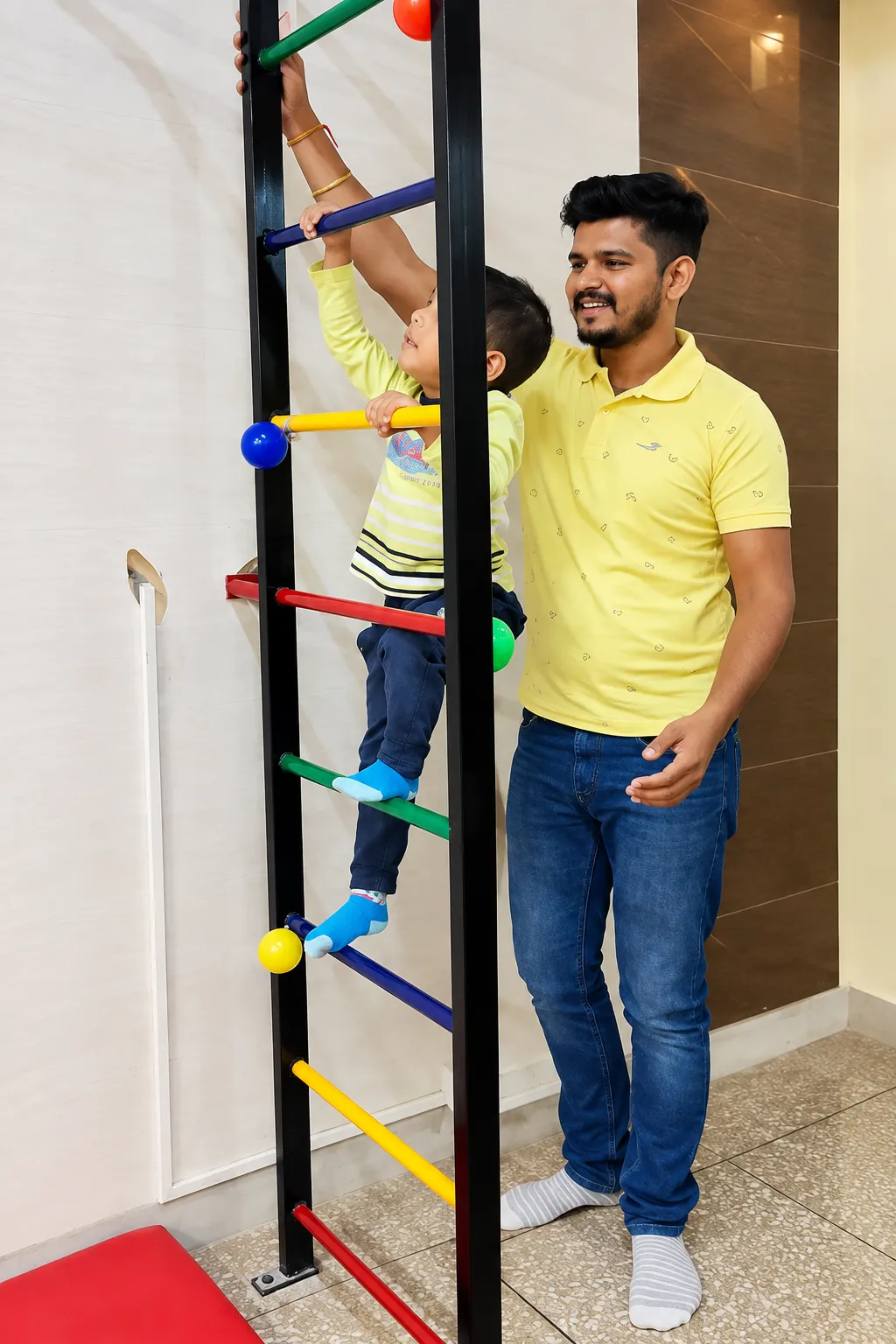
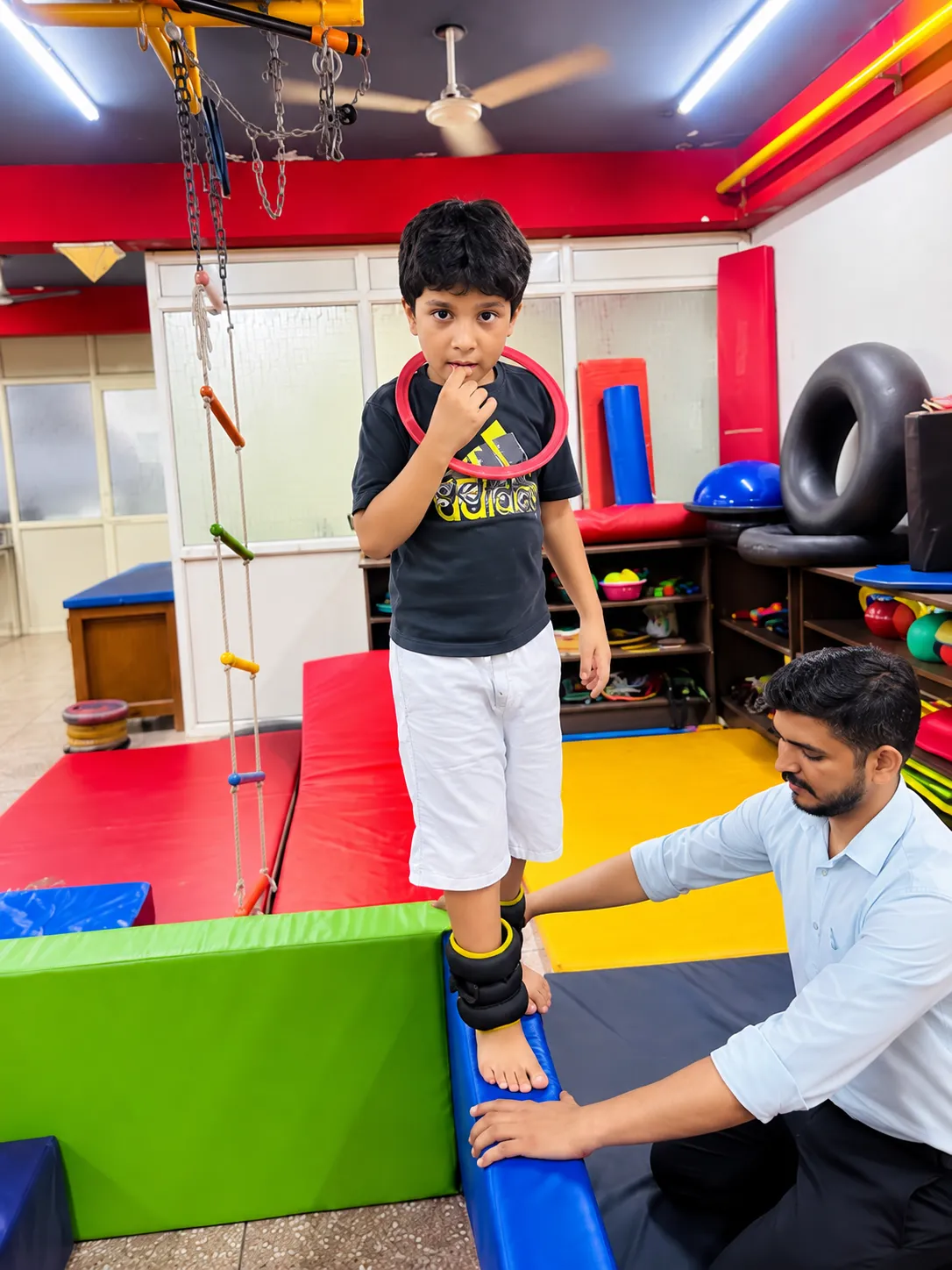
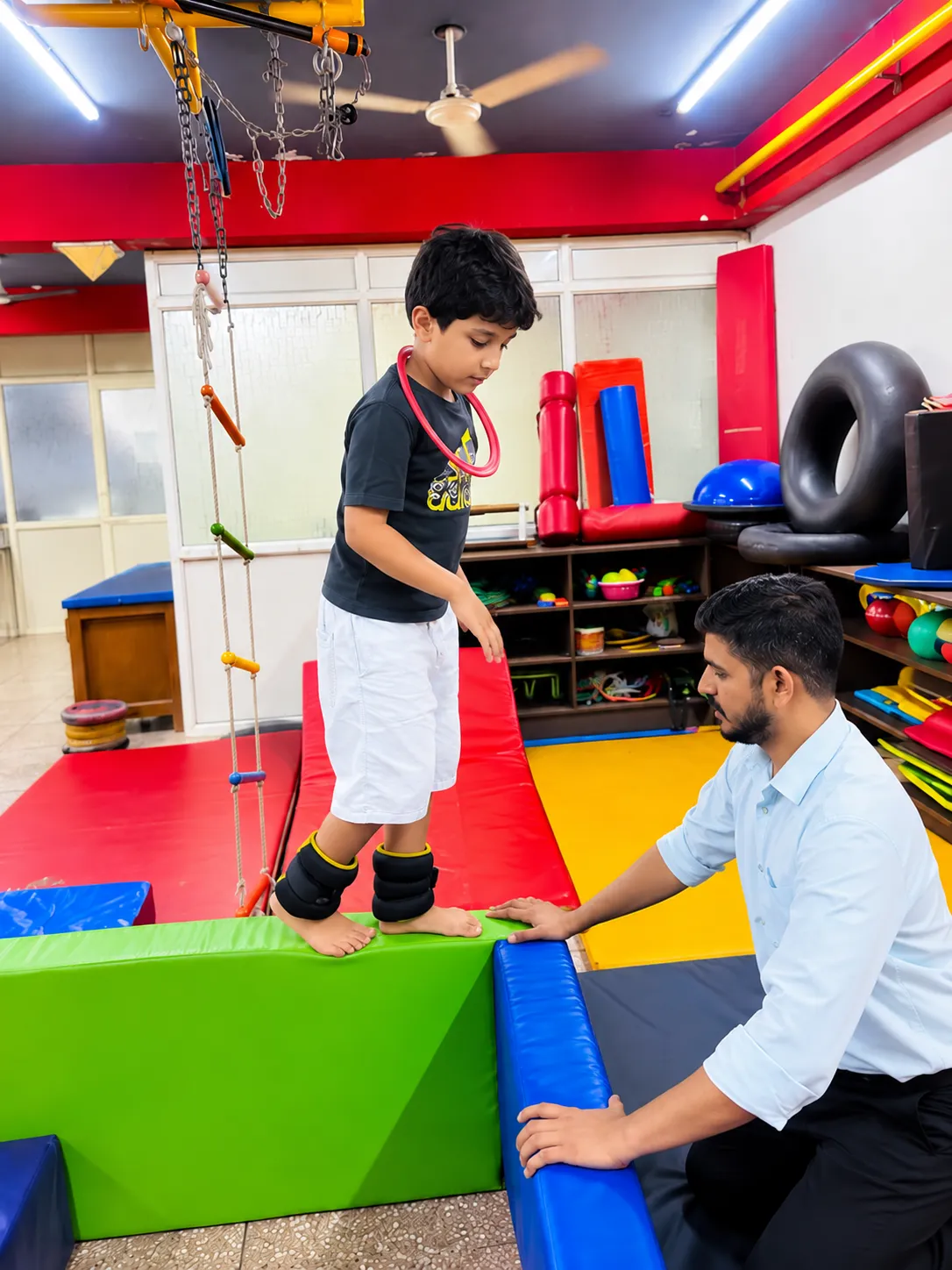
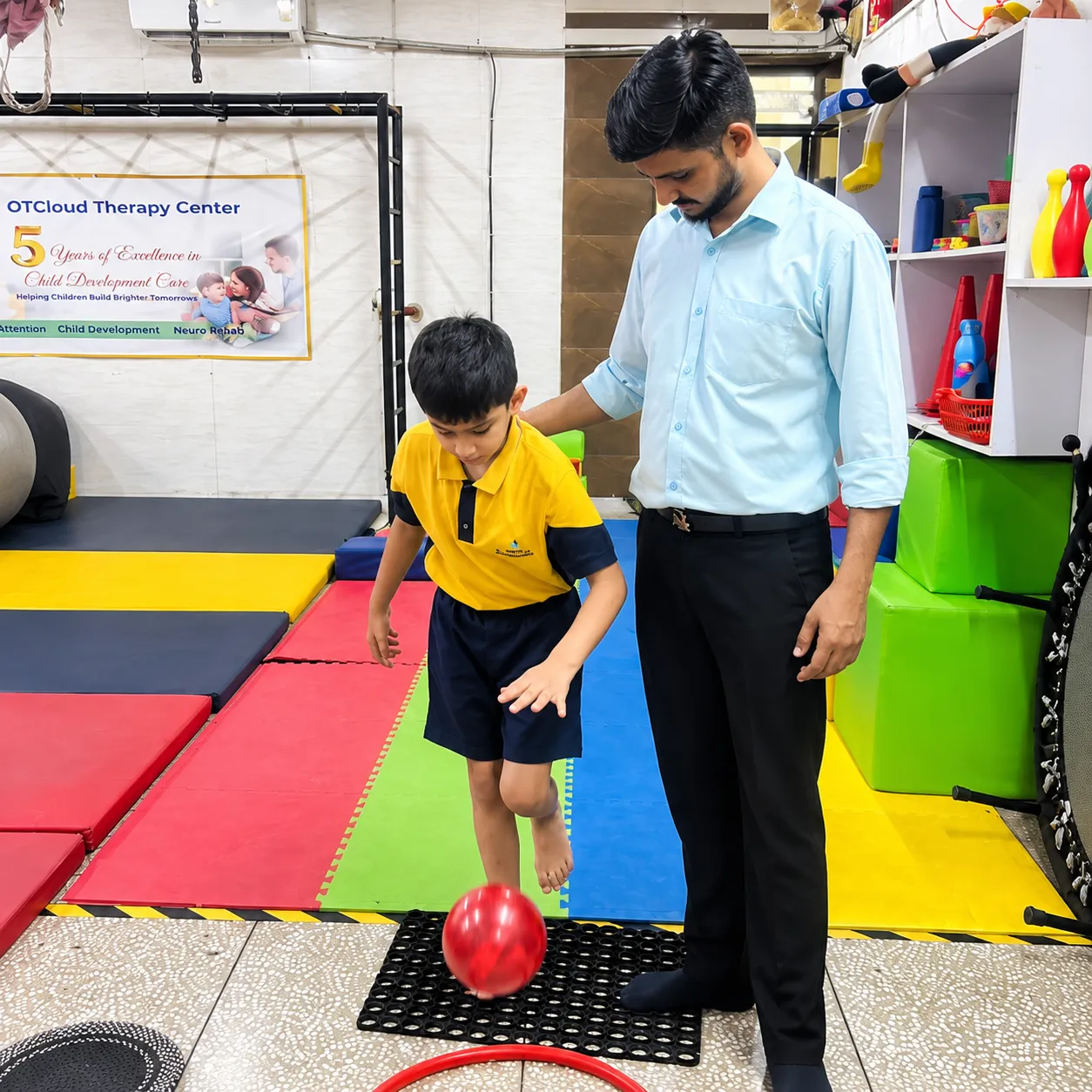
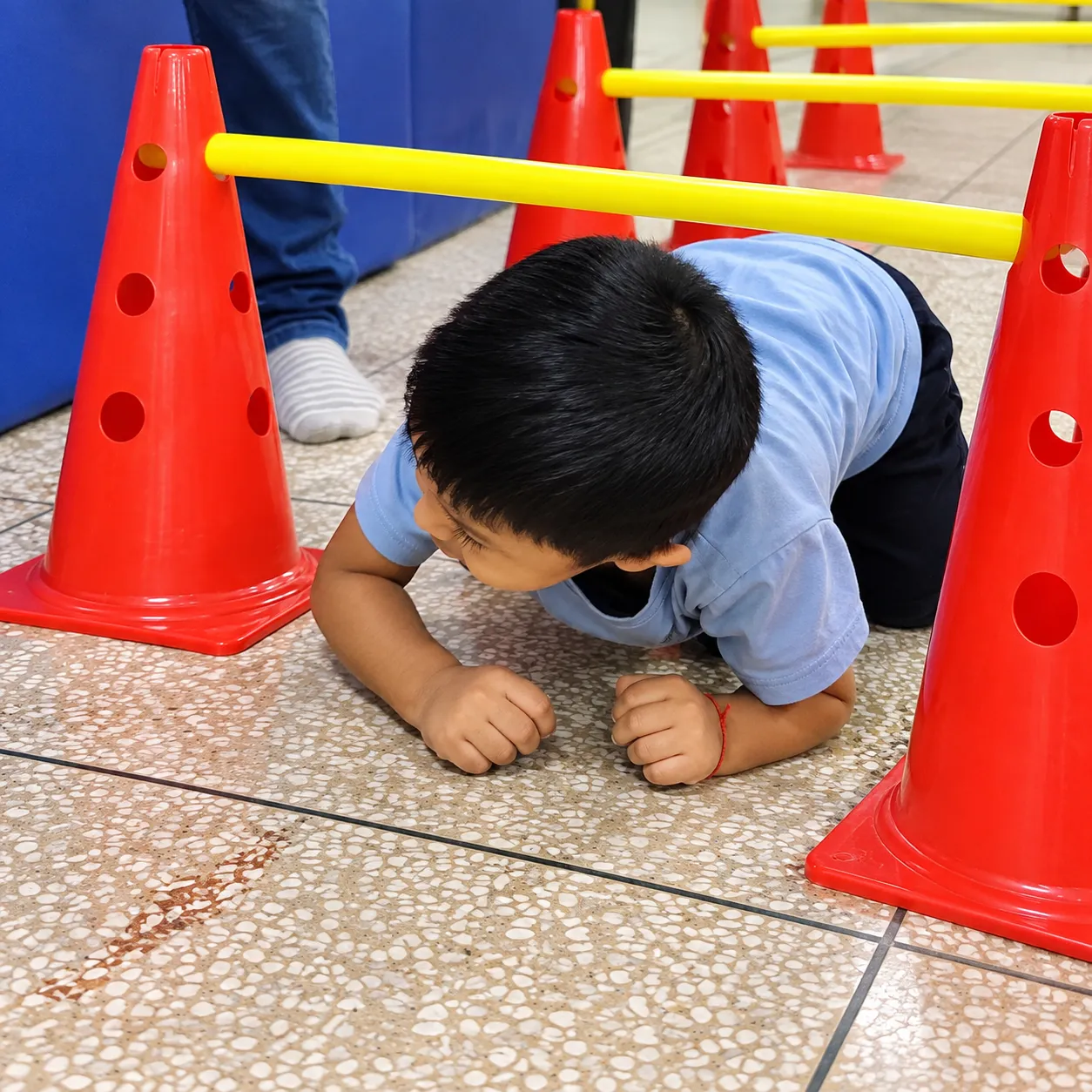
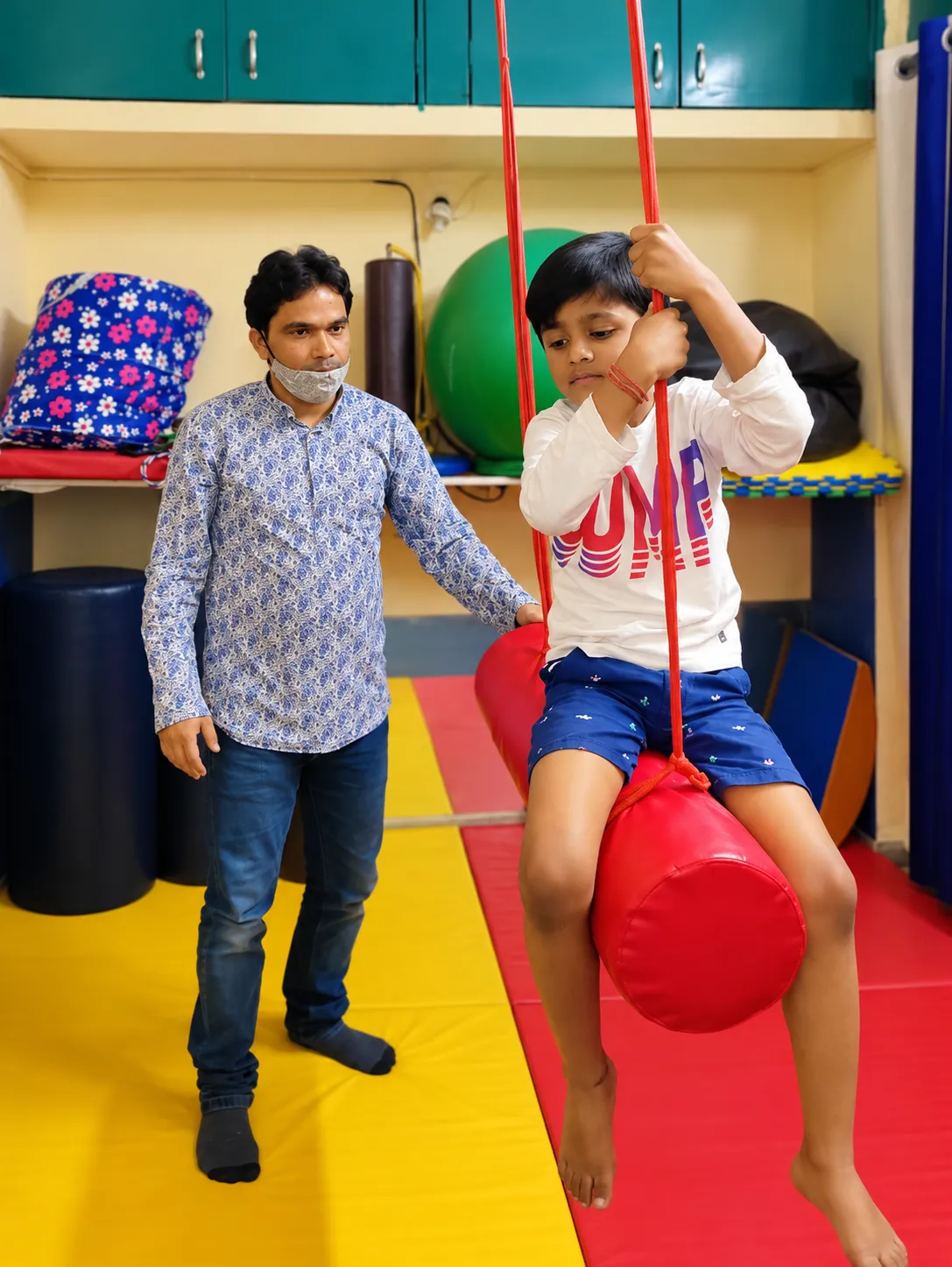
Gallery of Child Physiotherapy
See how movement skills are developed through purposeful, engaging therapy activities.
Frequently Asked Questions
Understanding Child Physiotherapy
What is child physiotherapy?
Child physiotherapy helps children develop physical skills such as strength, balance, coordination, mobility, posture and functional movement.
When should I consider physiotherapy for my child?
Consider a physiotherapy assessment when your child has difficulty with movement, balance, strength, walking, coordination, physical participation or age-appropriate gross motor skills.
Can physiotherapy help with delayed motor development?
Yes. A pediatric physiotherapist can assess the child's current motor abilities and identify appropriate goals to support physical development and functional participation.
Movement & Motor Concerns
Can physiotherapy help a child with cerebral palsy?
Yes. Physiotherapy may support mobility, strength, balance, posture, movement control and functional participation based on the child's individual needs.
Can physiotherapy help my child learn to walk?
Physiotherapy may support the development of the strength, balance, coordination and movement skills needed for functional mobility. The approach depends on the child's developmental and physical profile.
Why does my child fall frequently?
Frequent falls may have different causes, including balance, coordination, strength, motor planning or other physical factors. An assessment can help understand the child's individual movement pattern.
Can physiotherapy improve balance?
Yes. Therapy may include activities designed to develop postural control, balance reactions, coordination and stability.
Can physiotherapy help with walking difficulties?
Yes. A physiotherapist can assess walking and functional mobility and develop individualized goals where appropriate.
Therapy & Assessment
Does my child need a diagnosis to receive physiotherapy?
Not necessarily. A child may benefit from physiotherapy when movement or physical difficulties are affecting everyday participation, even without a formal diagnosis.
How long does child physiotherapy take?
The duration and frequency depend on the child's needs, therapy goals, progress and response to intervention.
What happens during a child physiotherapy assessment?
The physiotherapist discusses your concerns, observes the child's movement and assesses relevant physical and functional skills. The findings help guide therapy goals and recommendations.
Concerned About Your Child's Movement?
Understanding your child's physical abilities can help identify the right support and next steps.
Strength · Balance · Coordination · Mobility · Motor Development