

Early Intervention for Children
Building strong developmental foundations in the early years.
Early intervention provides timely support for children who may need extra help with communication, movement, learning, play or everyday skills.
What Is Early Intervention?
Early intervention focuses on helping young children develop important skills during the early years. It can address developmental delays and concerns through age-appropriate therapy, play and everyday activities.
Communication
Understanding and expressing needs.
Movement
Building coordination and motor skills.
Learning
Developing attention and early learning abilities.
Play & Interaction
Encouraging social connection and meaningful play.
Is My Child Developing as Expected?
Parents often notice developmental differences first. Early intervention can be considered when a child is having difficulty with:
Speech & Communication
Few words, limited communication or difficulty understanding language.
Movement
Taking longer to develop sitting, crawling, standing or walking skills.
Play & Interaction
Difficulty engaging in play or interacting with others.
Learning & Attention
Difficulty staying engaged, imitating or learning new skills.
Daily Activities
Challenges with feeding, dressing or other age-appropriate routines.
Early Intervention for Different Developmental Needs
Early intervention can be useful for children with:
From Understanding to Skill Development
Every programme follows the same four stages, so you always know where your child is in the process and what comes next.
- 01 Understand We look at your child's current developmental abilities.
- 02 Plan Goals are selected according to the child's needs.
- 03 Learn & Practice Skills are developed through engaging, meaningful activities.
- 04 Review Progress is monitored and goals are updated as the child develops.
Different Therapies, One Developmental Journey
Children may need support across different developmental areas. Our team brings together:
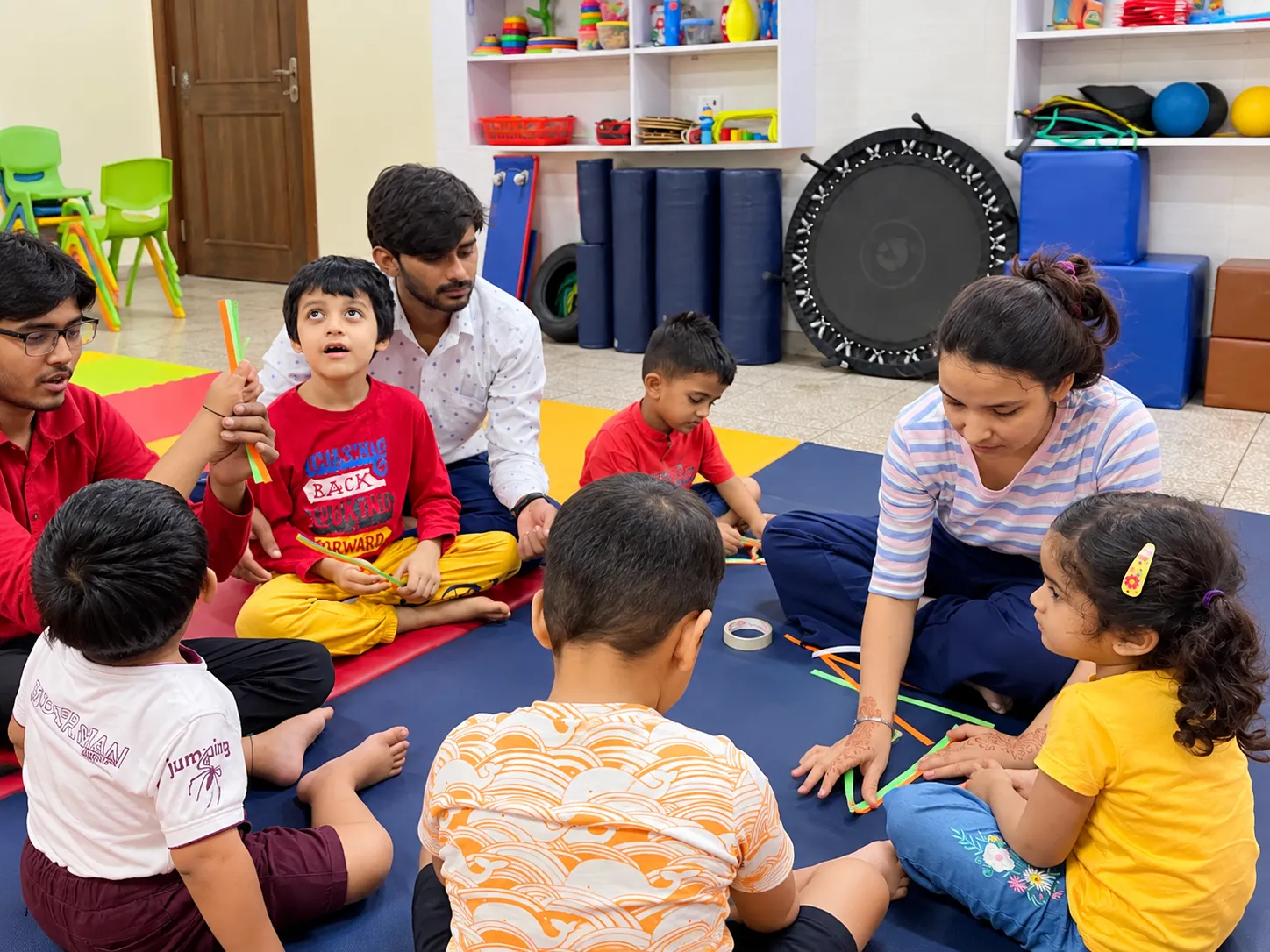
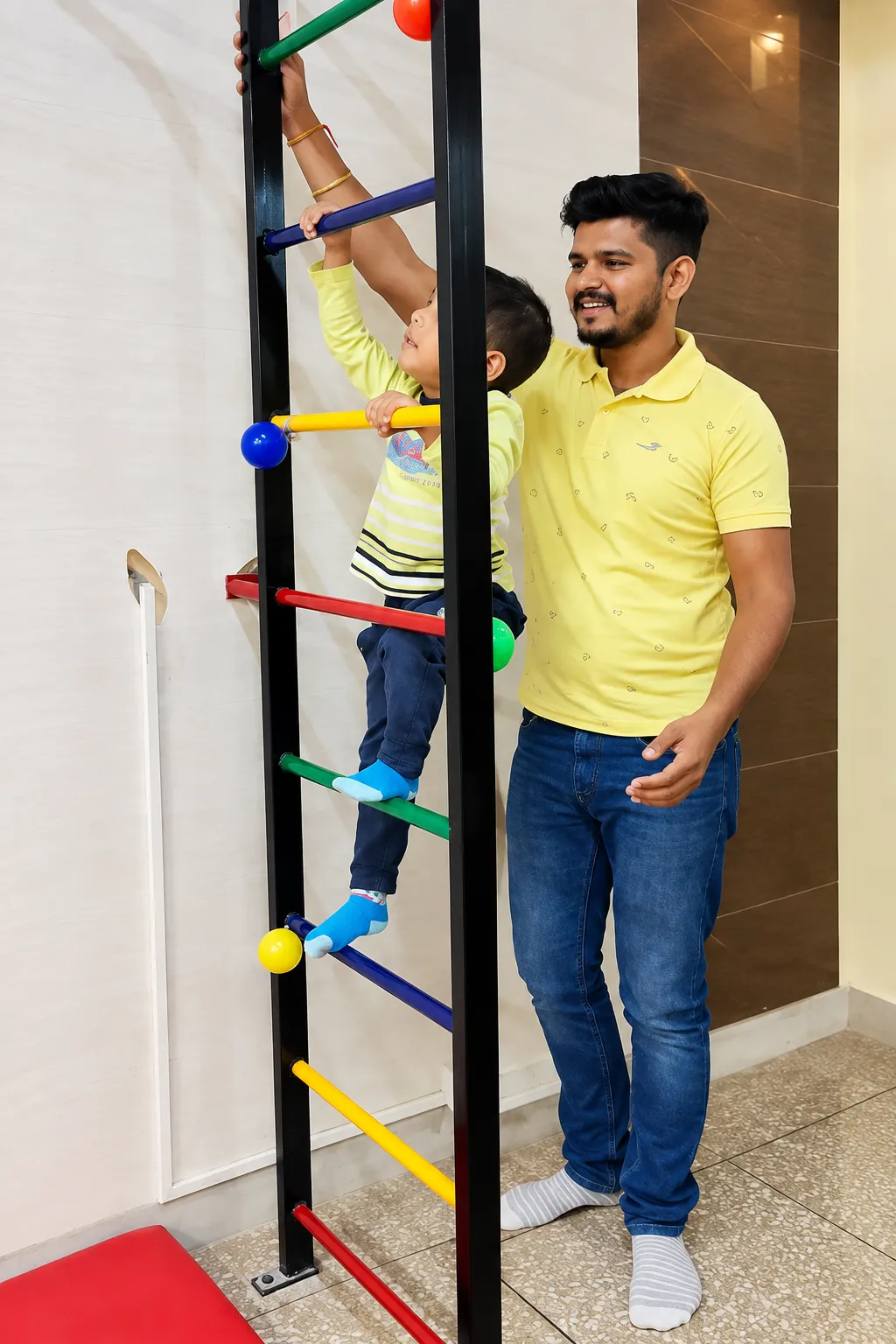
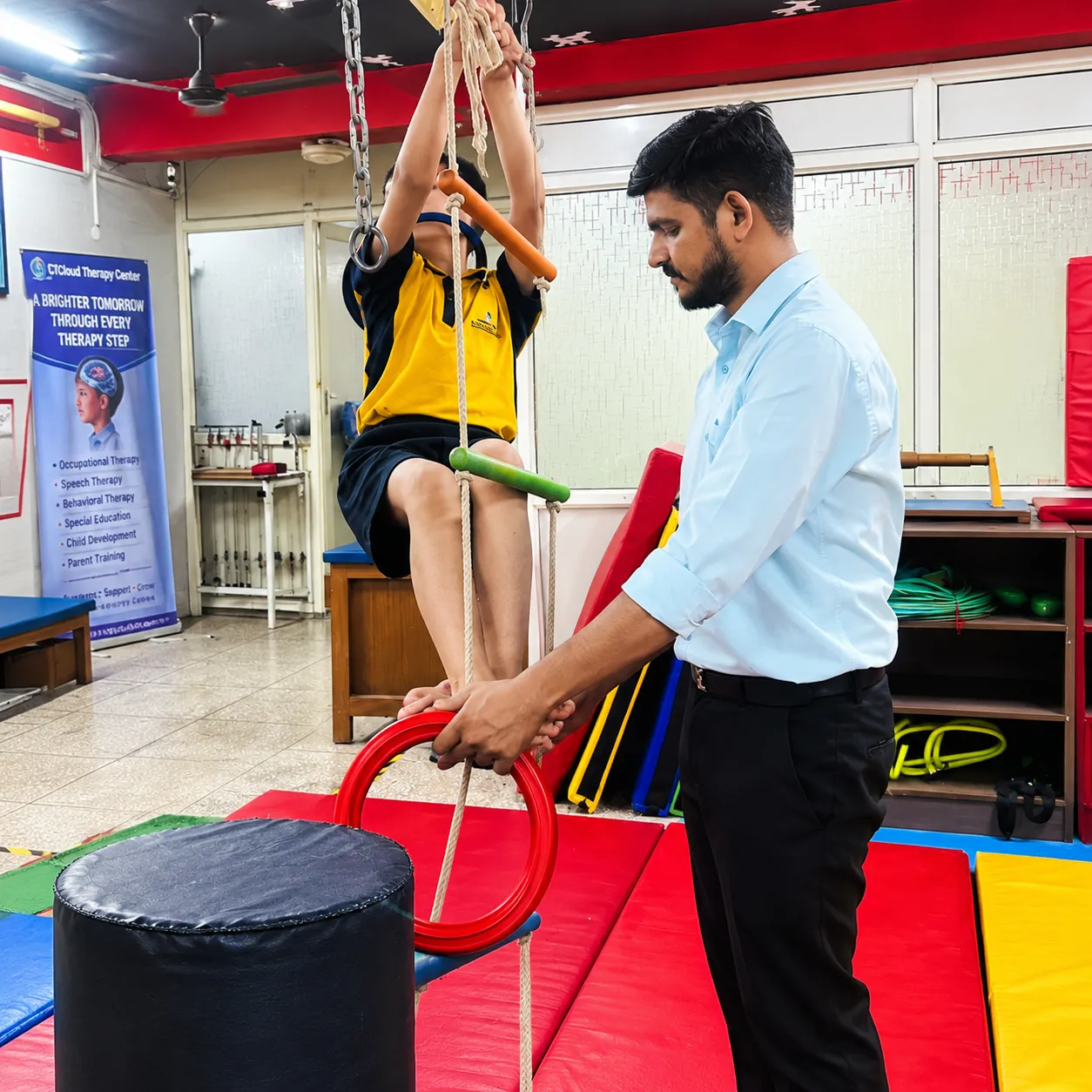
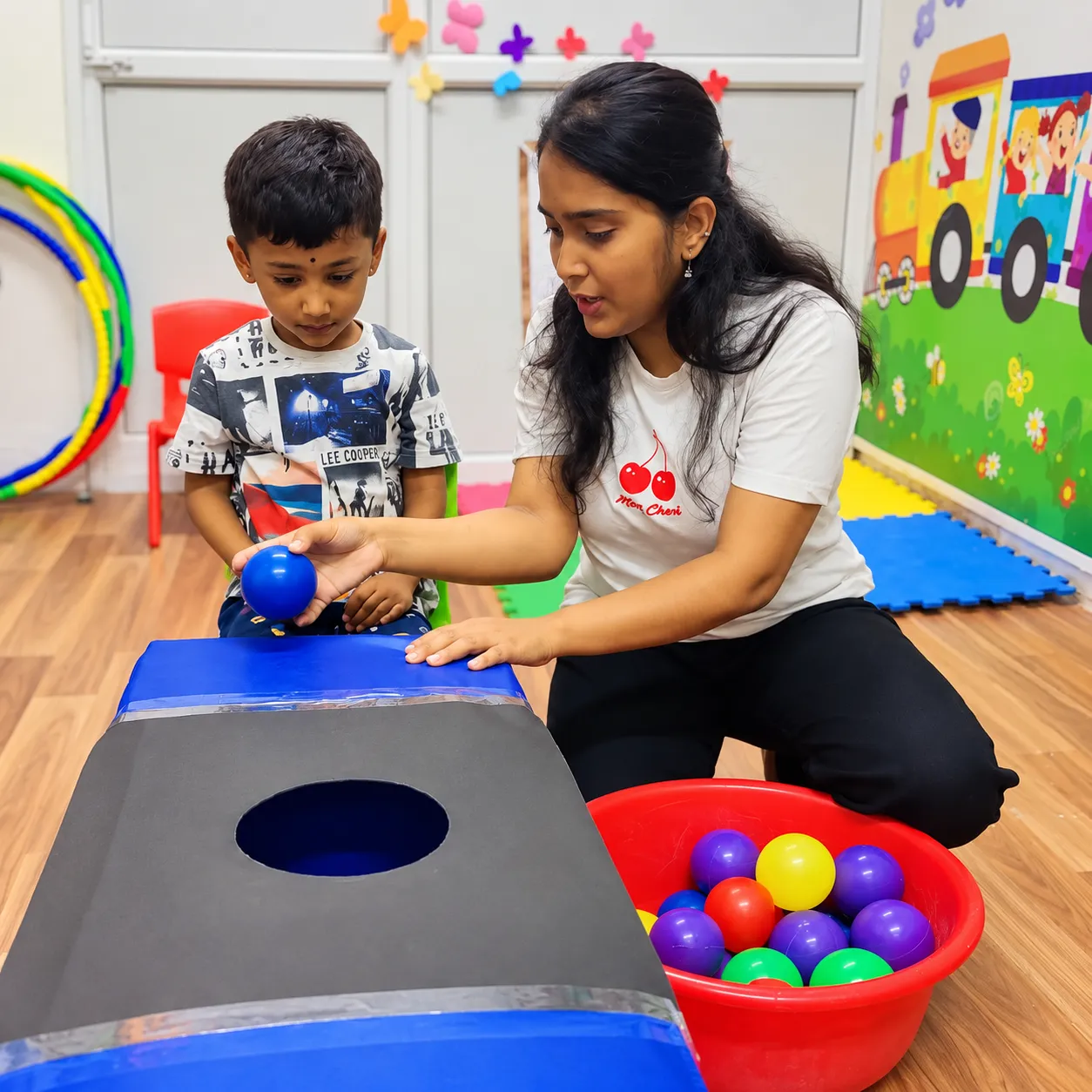
Early Intervention in Action
A look at the activities that build early developmental skills.
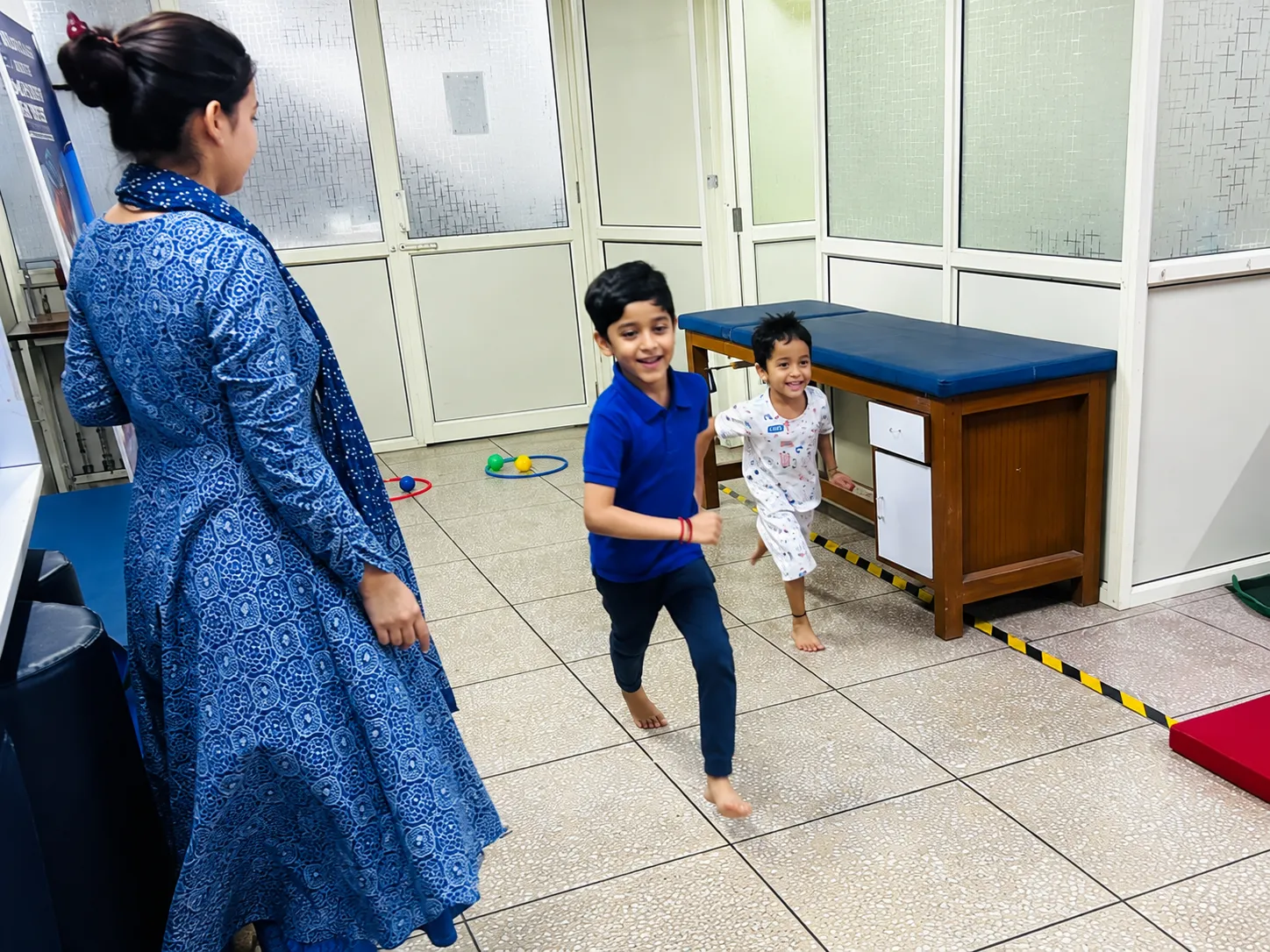
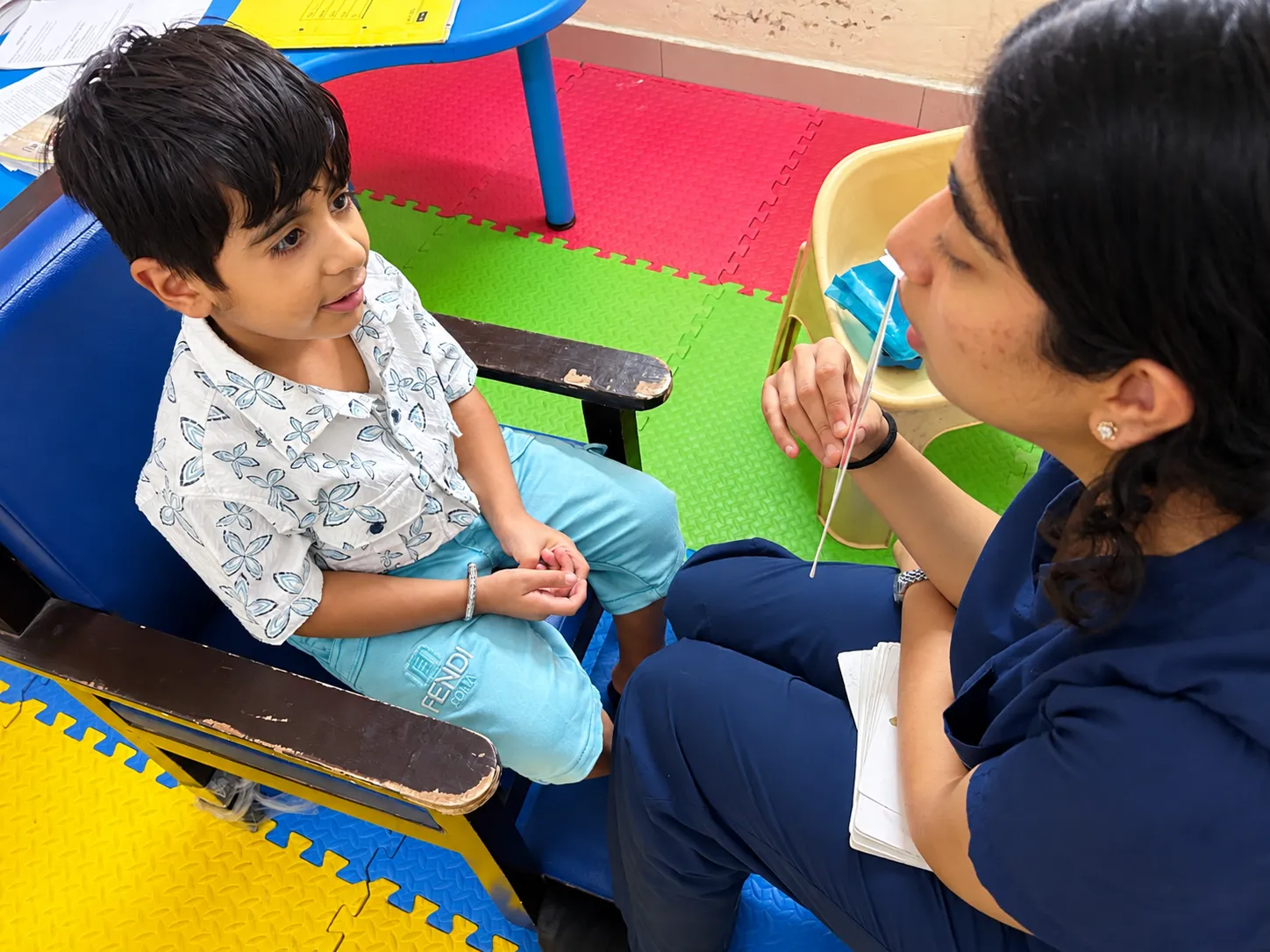
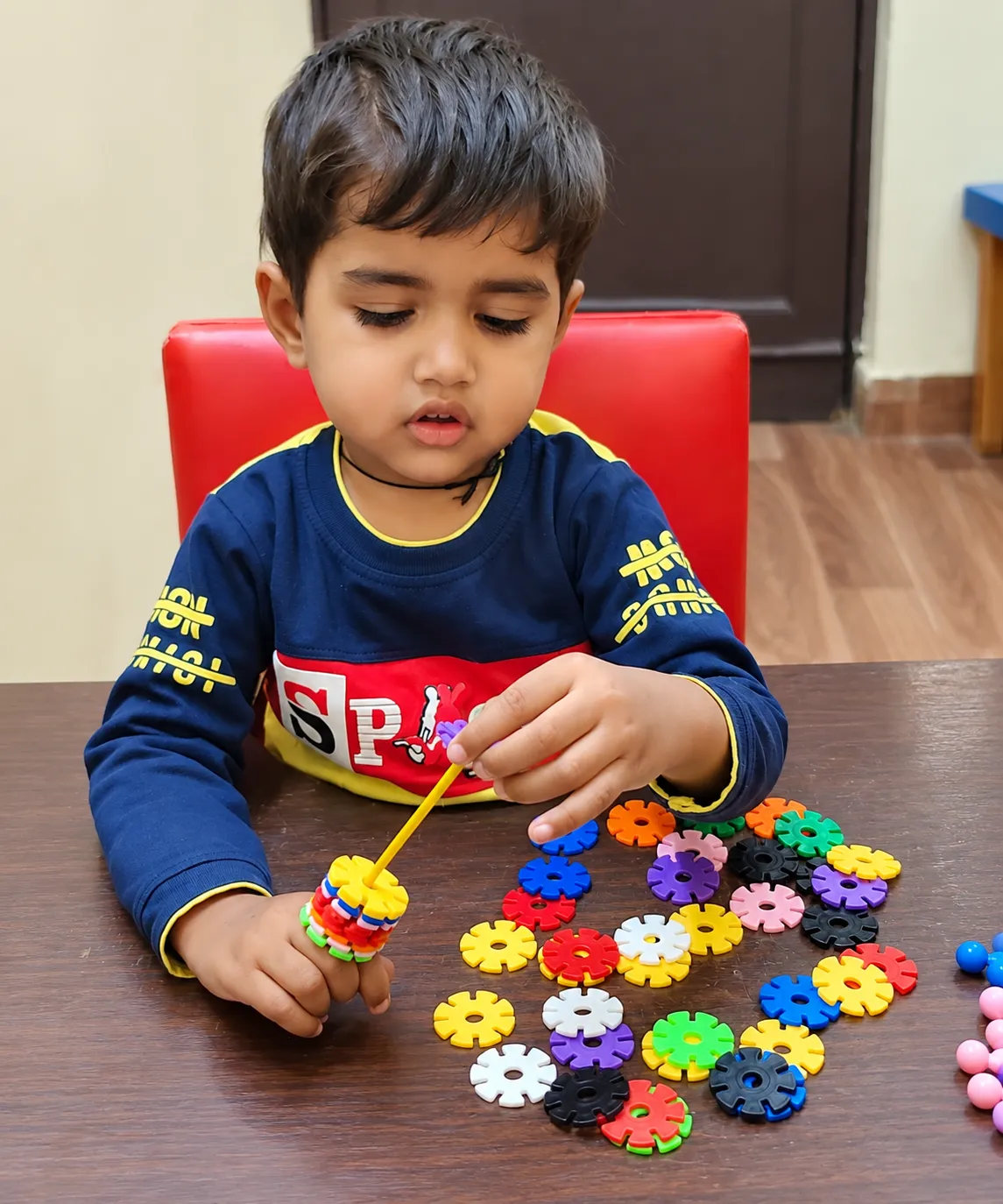
Frequently Asked Questions
What is early intervention for children?
Early intervention provides developmental support during the early years for children who may have delays or difficulties with communication, movement, learning, play or everyday skills.
When should I consider early intervention?
Consider it when your child has missed developmental milestones or you have concerns about speech, movement, learning, behaviour, play or social interaction.
Does my child need a diagnosis?
No. Early intervention can begin based on developmental concerns even without a formal diagnosis.
Can early intervention help with speech delay?
Yes. Speech and language therapy can be part of an early intervention program when communication development is a concern.
Can early intervention help children with autism?
Yes. It may address communication, social interaction, play, learning, sensory needs and daily skills.
What areas does early intervention cover?
It may include communication, motor development, cognitive skills, play, social interaction, sensory processing and self-care.
How are parents involved?
Parents can learn simple ways to encourage developmental skills during everyday routines at home.
Wondering Whether Your Child Needs Early Support?
The early years are the easiest time to build foundational skills. Tell us what you have noticed and we will help you understand the next step.
Communication · Movement · Learning · Play